How to Change a Newborn Nappy Safely at Home
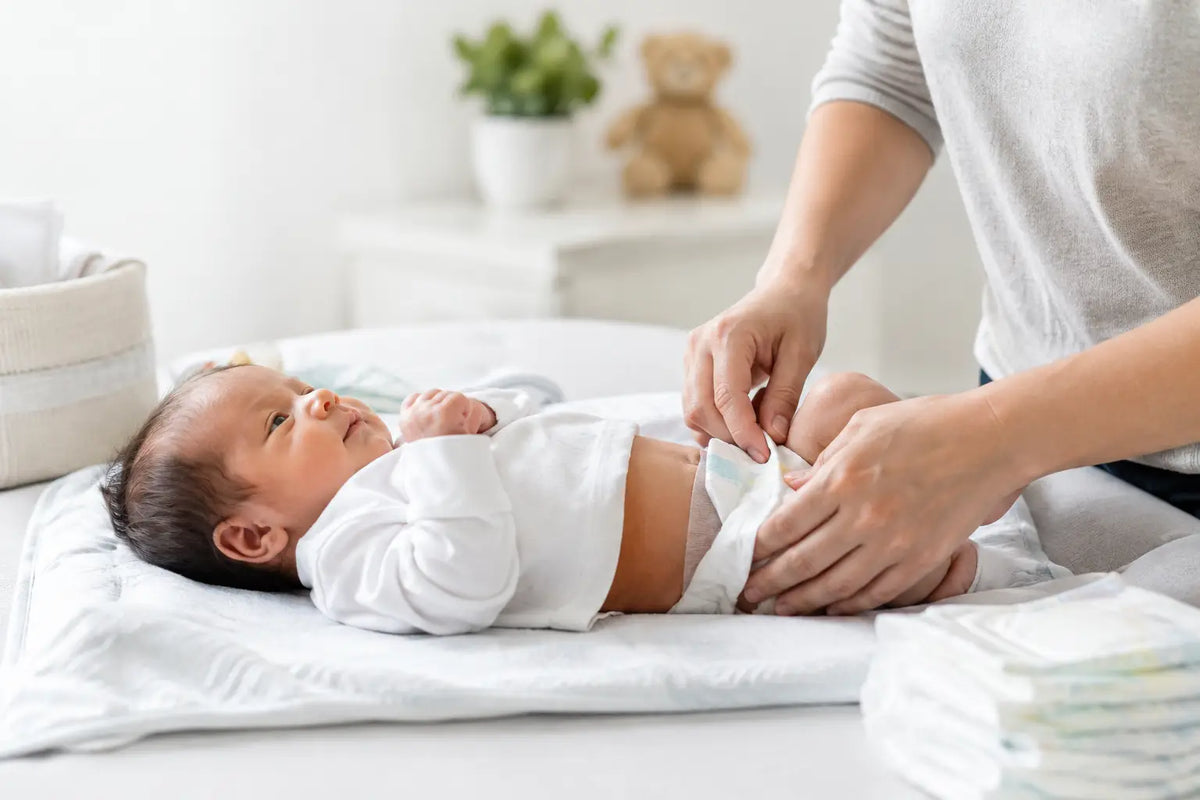
A newborn nappy change can happen eight to twelve times a day, often when you are tired, holding a hungry baby, or trying to leave the house on time. A simple routine makes those moments calmer. Knowing how to change newborn nappy safely means protecting delicate skin, keeping one hand on your baby when needed, and having every essential within easy reach.
Set up a safe changing space first
The safest changing spot is one where you can comfortably reach your baby and your supplies without stretching or turning away. A changing mat on the floor is a practical option, especially in the early weeks when you are still finding your rhythm. If you use a changing table, cot-top changer or bed, stay close and keep a hand on your baby at all times.
Never leave a newborn unattended on a raised surface, even for a second. Babies can wriggle unexpectedly much earlier than many parents expect. If the doorbell rings or you have forgotten something, either take your baby with you or finish the nappy change before you go.
Keep the area clean, dry and away from hot drinks, cables, nappy sacks and small items that could be grabbed later. Good lighting helps you notice redness, irritation or changes in your baby’s stools and urine.
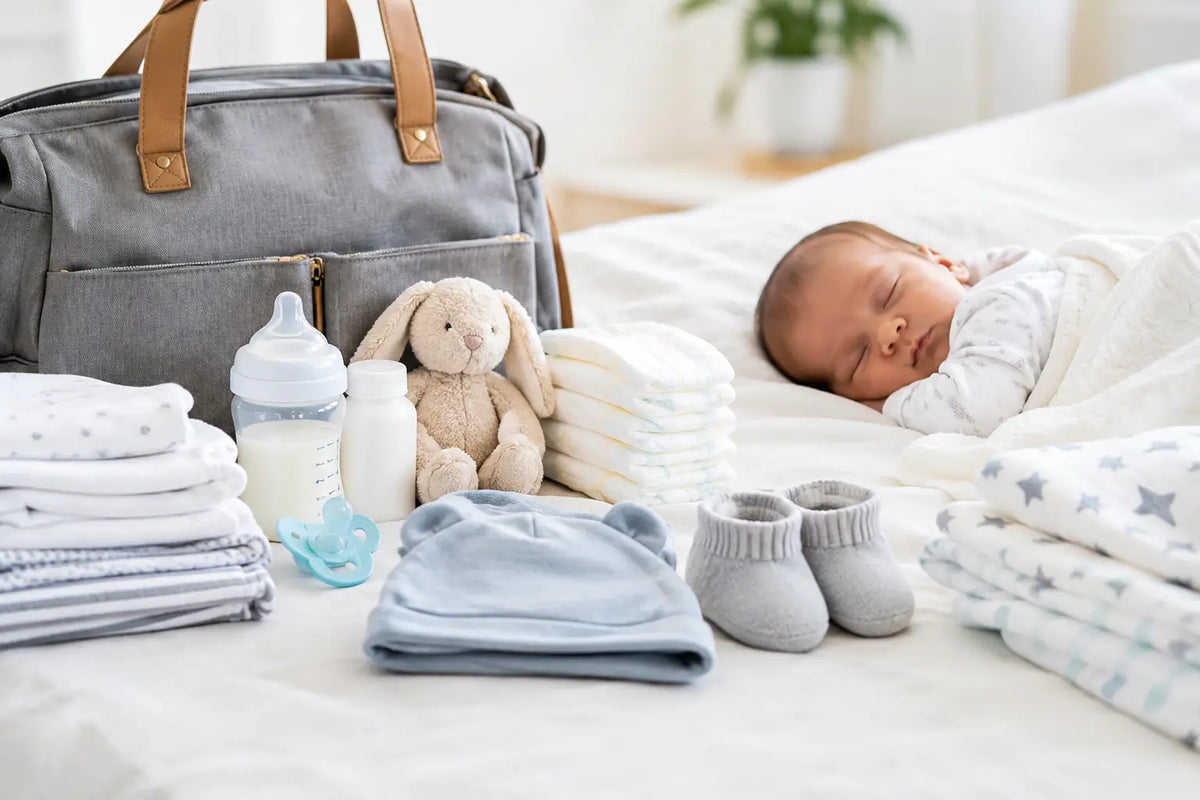
Before placing your baby down, gather what you need. A useful changing station usually includes:
- Fresh nappies in the right size
- Unscented baby wipes or cotton wool and warm water
- A changing mat or clean towel
- Nappy cream, if your baby needs it
- A spare vest and sleepsuit for unexpected leaks
How to change newborn nappy safely, step by step
Start by washing your hands or using hand sanitiser if you are away from a sink. Lay your baby gently on their back, talking to them as you go. Your voice is reassuring, and many newborns soon recognise this familiar part of their day.
Open the dirty nappy but leave it underneath your baby for a moment. If there is poo, use the clean front section of the nappy to lift away as much as possible before reaching for wipes or cotton wool. Hold both ankles gently in one hand and lift only enough to clean beneath the bottom. Avoid pulling your baby’s legs high towards their chest, particularly during the first few weeks when their body is still very delicate.
For girls, always wipe from front to back. This reduces the chance of bacteria moving towards the urinary area. Clean gently around the folds without scrubbing. For boys, clean around the penis and scrotum, but do not try to pull back the foreskin. It is naturally attached in babies and forcing it can cause pain or injury.
Use as few wipes as necessary and pat the skin dry with a clean cloth if it feels damp. Newborn skin is thin and sensitive, so gentle handling matters more than vigorous cleaning. Some families prefer cotton wool and warm water during the first weeks, while others use fragrance-free, alcohol-free wipes. Either can work well if your baby’s skin is comfortable and clean.
Slide the clean nappy under your baby, with the fastening tabs at the back. Bring the front panel up between the legs and secure both tabs evenly. The nappy should feel snug around the waist but not tight. You should be able to place two fingers beneath the waistband. Make sure the leg cuffs are pulled out rather than tucked in, as this helps prevent leaks.
For newborns with an umbilical cord stump, fold down the front of the nappy so it does not rub against the area. Keep the stump clean and dry, and follow the advice given by your midwife or paediatrician if you see spreading redness, swelling, discharge or an unpleasant smell.
Once your baby is dressed, place the used nappy and wipes into a nappy bin or sealed bag, then wash your hands thoroughly. It is a small final step that protects everyone in the household.
Keep your newborn comfortable between changes
Newborns usually need a change after feeds, after a poo and whenever the nappy feels heavy or wet. Some babies object to being changed before a feed because they are very hungry. If your baby is unsettled, feeding first and changing afterwards may work better, provided the nappy is not soiled and their skin is not irritated.
At night, it depends on your baby. A poo nappy should be changed promptly. For a lightly wet nappy, some babies will settle more easily if you keep the room dim, speak quietly and use a quick, gentle routine. Choose a soft changing mat and lay out everything beforehand to minimise stimulation.
A nappy that is too small can leave marks around the thighs, leak often or feel restrictive. A nappy that is too large may gap around the legs and waist. Your baby’s weight is a useful guide, but fit matters just as much. As your baby grows, adjust the size when you begin noticing frequent leaks or tight red marks.
Preventing and managing nappy rash
Even with excellent care, nappy rash is common. Wetness, friction, teething-related changes in stools, antibiotics and sensitive skin can all play a part. The first signs are often mild redness on the bottom, around the genitals or in the skin folds.
Change wet or soiled nappies promptly and clean the area with a light touch. Give your baby a few minutes of nappy-free time on a towel or waterproof mat when practical. Air helps the skin dry, but your baby should always be warm and supervised.
A thin layer of barrier cream can protect sore skin from moisture. More is not always better - a light, even layer is easier to clean and lets the nappy fit properly. If a new wipe, soap, cream or nappy seems to trigger irritation, stop using it and choose a simpler, fragrance-free option.
Speak to a healthcare professional if the rash is severe, blistered, bleeding, spreading, accompanied by a fever, or not improving after a few days. A bright red rash with small spots around the edges can sometimes need specific treatment, so it is worth getting advice rather than trying multiple products at once.
Small details that make changes easier
Keep one hand on your baby whenever they are on a raised surface, but use your free hand efficiently. Opening the fresh nappy before you begin and loosening the clean vest snaps can make a messy change much less stressful. For baby boys, placing a clean cloth loosely over the penis while you clean can help catch an unexpected wee.
Choose clothes with easy poppers, side openings or wide necklines during the newborn stage. When a nappy leaks, an outfit that comes off without pulling over your baby’s face is a genuine help. A reliable supply of nappies, wipes, changing mats and gentle skincare also makes the everyday routine feel far more manageable.
Baby Life brings practical changing essentials together in one place, helping you prepare a home station and a ready-to-go changing bag without adding extra errands to your week.
Every nappy change is also a quiet chance to notice your baby’s skin, offer a few comforting words and build confidence in your new routine. It does not need to be perfect - clean hands, gentle care and your full attention are what matter most.