Disposable Versus Cloth Nappies: Which Fits?

A newborn can get through eight to twelve nappy changes a day, often at the least convenient moments. That makes the disposable versus cloth nappies decision feel bigger than it first appears. The reassuring answer is that there is no single right choice: the best nappy system is the one that keeps your baby dry and comfortable while fitting the way your household actually runs.
Some families need quick, low-fuss changes for nursery runs, nights and travel. Others enjoy the lower ongoing cost and reusable routine of cloth. Many use both. Understanding where each option performs well can help you build a practical nappy set-up from day one.
Disposable versus cloth nappies: the everyday difference
Disposable nappies are designed for one use. They have an absorbent core that draws moisture away from the skin, a waterproof outer layer and fastening tabs for a secure fit. After a change, they go into the bin. For tired parents, particularly during the newborn weeks, that straightforward routine can be a real relief.
Cloth nappies are washable, reusable nappies with absorbent inserts or layers. Modern versions are a long way from the folded squares and safety pins many parents remember. Pocket nappies, all-in-ones and two-part systems can have adjustable poppers, soft stay-dry linings and removable inserts that let you tailor absorbency as your baby grows.
The practical difference is not simply washing versus throwing away. Disposable nappies trade repeat purchasing for convenience. Cloth nappies trade laundry, drying space and an upfront investment for reuse. Both can be safe, comfortable choices when changed regularly and fitted properly.
When disposable nappies make life easier
Disposable nappies are often the simplest option for newborn parents still finding their rhythm. There is no washing routine to establish, no need to manage drying racks and no concern about having enough clean nappies before the next feed or night wake-up.
They can be especially useful for overnight use, days out, holidays, hospital bags and childcare settings that prefer disposables. Many highly absorbent disposable styles are designed to hold more liquid for longer stretches, although no nappy should be left on for an extended period simply because it feels dry on the outside. Regular changes remain the best defence against discomfort and nappy rash.
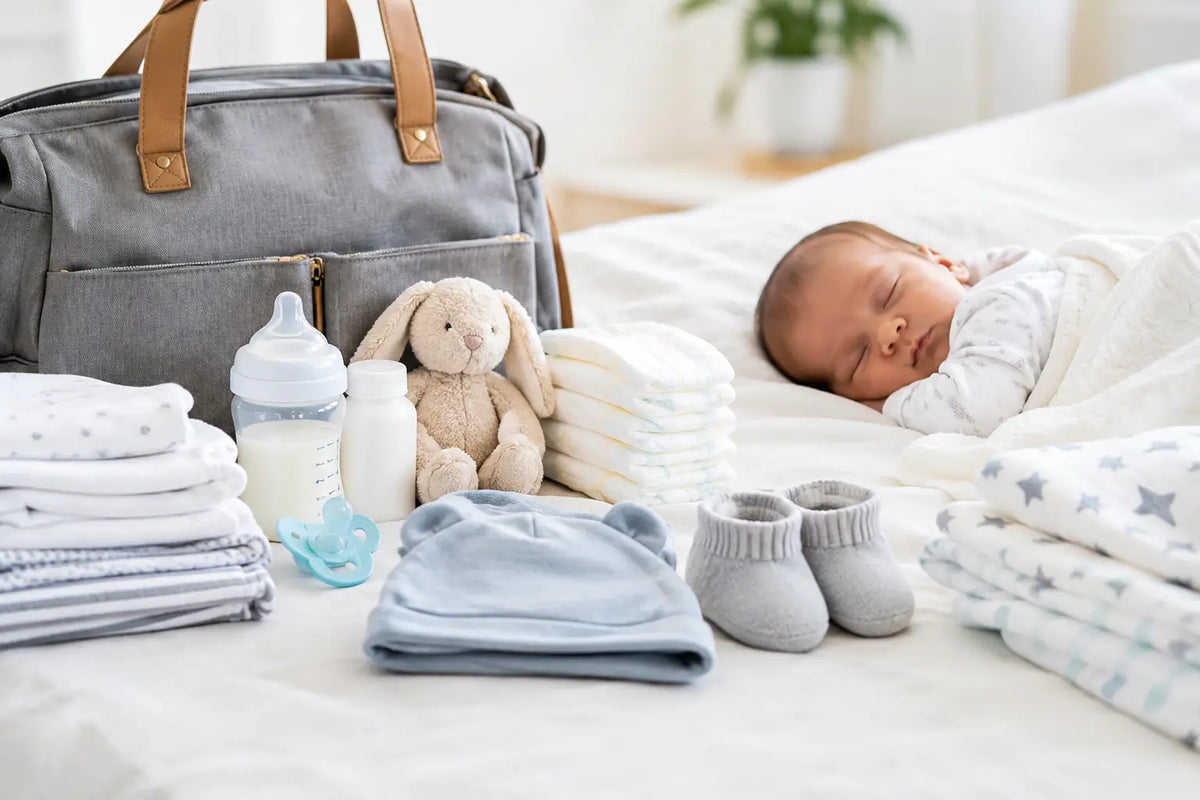
For families living in flats, sharing laundry facilities or managing a particularly busy schedule, disposables can remove a significant mental load. They also make it easy to pack a changing bag: bring the number you expect to need, plus a few extras, wipes, nappy cream and disposal bags.
The main drawbacks are the recurring cost and the waste generated with every change. You will need a reliable supply at home, particularly in the early months when changes are frequent. Fit can also vary between brands and even between ranges, so it is sensible to start with smaller packs until you know what suits your baby’s shape and skin.
Getting a good disposable fit
A well-fitted disposable nappy sits below the belly button, with the leg cuffs unfolded and resting in the crease where the leg meets the body. You should be able to slide two fingers under the waistband, but there should not be large gaps around the thighs. Frequent leaks usually point to the wrong size, a poor fit or a nappy that has reached its absorbency limit.
Why cloth nappies appeal to many families
Cloth nappies offer a reusable alternative that can work beautifully for parents who like a planned home routine. Once you have built your collection, the cost per wear can be lower than continually buying disposables, especially if the nappies are used for more than one child or passed on within the family.
Many parents also like the choice of fabrics and styles. Cotton, bamboo, hemp and microfibre inserts have different absorbency and drying properties, while waterproof covers come in cheerful colours and prints. A cloth nappy can be adjusted with extra boosters for naps or overnight use, making it a flexible system rather than a one-size product.
From a waste perspective, reusing nappies reduces what goes to landfill. However, cloth nappies still have an environmental footprint through manufacturing, washing and drying. The most sustainable option depends on how often they are washed, the size of each load, water and energy use, and whether they are reused over time. It is more helpful to focus on a routine you can maintain than to aim for perfection.
A Baby cloth does ask more of you. Used nappies need storing between washes, and inserts may require separating before laundering. Drying can take time, especially for thicker materials or during humid weather. In the UAE, air-drying may be fast outdoors in suitable conditions, but dust, heat and indoor space are practical considerations. A home with a dependable washing routine will generally find cloth far easier to manage.
How many cloth nappies do you need?
For full-time cloth use, many families start with around 20 to 30 nappies. That usually allows for washing every two or three days, though newborns may need more frequent changes and some nappy styles take longer to dry. For part-time use, such as daytime changes at home, 10 to 15 can be enough.
It is worth buying a small trial selection before committing to one style. Your baby’s build, your washing schedule and your confidence with inserts all influence what will feel easiest. A fitted nappy with a separate cover may suit night-time, while a pocket nappy may be quicker for grandparents or nursery staff to use.
Cost: upfront spending versus regular replenishment
The cost comparison between disposable and cloth nappies is rarely identical from one family to another. Disposable costs are spread across each shopping trip, but they continue for as long as your child wears nappies. Cloth requires more at the start: nappies, inserts, wet bags, a storage pail or basket and sometimes reusable liners. Laundry adds water, detergent and electricity costs over time.
A full cloth set can become better value when it is reused extensively, looked after well and used for a second child. Conversely, families who use a tumble dryer for every load, replace items frequently or rely on disposables for most changes may not see the same financial advantage.
The most realistic approach is to consider your household budget in two ways. Can you comfortably make a larger initial purchase? And do you prefer predictable recurring spending or a laundry-based routine? Both answers are valid.
Comfort, skin health and nappy rash
Neither disposable nor cloth nappies automatically prevent or cause nappy rash. Rash is commonly linked to prolonged contact with moisture or stool, friction, sensitivity to a product, illness or changes in diet. The essentials are prompt changes, gentle cleaning, thoroughly drying the skin and allowing some nappy-free time when possible.
Some babies respond better to one material or brand than another. A disposable nappy with a fragrance-free design may be helpful for sensitive skin. With cloth, a stay-dry liner can reduce the wet feeling against the skin, while natural-fibre inserts may appeal to parents who prefer simpler materials. If irritation persists, speak with your health visitor, pharmacist or paediatrician rather than repeatedly changing products without guidance.
Whatever you choose, avoid fastening a nappy too tightly. Check the skin at every change for redness around the waist and legs, and size up when the fit begins to leave deep marks or leaks become more frequent.
A mixed nappy routine can be the sweet spot
You do not have to choose one camp and stay there. A mixed routine is often the most manageable answer to disposable versus cloth nappies. You might use cloth at home during the day, then choose disposable nappies overnight, for outings and when travelling. Or you may start with disposables in the first few weeks and introduce cloth once feeding, washing and sleep patterns feel less unpredictable.
This approach can lower the number of disposables used without creating pressure to wash nappies every day. It also gives you a backup when cloth nappies are still drying, your baby has a stomach bug or family life gets unusually busy.
Choosing the set-up that supports your family
Before buying in bulk, think about your home, not an idealised routine. Consider how often you can realistically wash, where nappies will dry, whether childcare will accept cloth, how often you travel and who else will be changing your baby. A nappy system should make those daily moments calmer, not turn them into another task to manage.
Start with a small selection, watch for fit and skin comfort, and permit yourself to adjust. Whether your changing station is stocked with trusted disposable packs, a neatly organised cloth collection or a little of both, the goal is the same: a clean, dry, content baby and a routine that leaves more room for family time.