Baby Sunscreen Guide for Sunny Family Days

A quick trip from the car to the pram can feel surprisingly hot when the sun is high. Babies have delicate skin, little ability to regulate their temperature, and no way to tell you that the bright afternoon walk has become uncomfortable. This baby sunscreen guide helps you choose sun protection with confidence, while keeping the bigger picture in mind: for babies, shade, clothing and sensible timing matter just as much as the bottle in your changing bag.
Start with shade, clothing and timing
Sunscreen is useful, but it should not be the first or only line of defence. Whenever possible, keep babies out of direct sun, particularly between late morning and mid-afternoon when UV exposure is strongest. In the UAE, this can mean planning outdoor errands, park time and beach visits for earlier in the morning or later in the day.
A wide-brimmed sun hat, lightweight long sleeves and loose trousers provide reliable coverage without needing repeated application. Choose breathable fabrics that feel comfortable against the skin. A pram canopy can help create shade, but leave enough airflow around the pram. Covering it completely with a blanket can trap heat, even if the fabric looks thin.
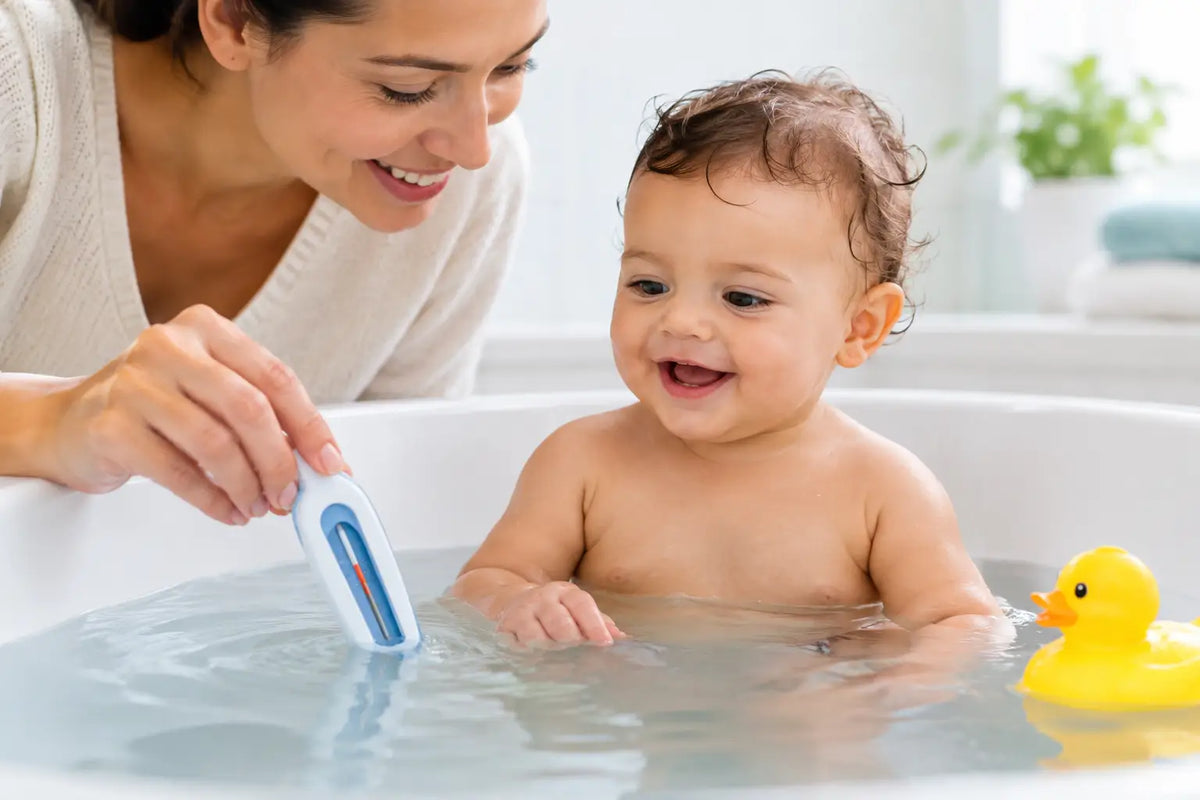
For swimming or splash play, a UV-protective swim top and hat are especially practical. They cover areas that are easy to miss, such as shoulders and the upper back, and make frequent sunny-day outings feel more manageable.
When can a baby wear sunscreen?
For babies under six months, avoiding direct sunlight is generally the safest approach. Their skin is highly sensitive, and extensive sunscreen use is usually not recommended unless there is no practical way to provide shade and protective clothing. If a small amount is needed on an uncovered area, speak with your paediatrician or pharmacist for individual advice, particularly if your baby was premature or has eczema, allergies or another skin concern.
Once your baby is six months or older, sunscreen can become part of your normal outdoor routine. It still works best alongside a hat, protective clothing and shade. Think of it as the protection for exposed skin, not permission to spend the hottest part of the day outdoors.
What to look for in baby sunscreen
The label can feel crowded, but a few details make the decision easier. Look for broad-spectrum protection, which means protection against both UVA and UVB rays. UVB is associated with burning, while UVA can reach the skin even when the day does not feel intensely sunny.
Choose SPF 30 or higher. For long, bright days outdoors, SPF 50 is a sensible choice for many families. Higher SPF does not mean that you can apply it once and forget about it. It needs to be used generously and reapplied at the right times.
Water-resistant sunscreen is helpful for swimming, water play and sweaty weather. It is not waterproof, so it must be reapplied after your child has been in water, towelled dry or perspired heavily. Check the label for the stated water-resistance time and follow it rather than relying on a general rule.
Many parents prefer mineral, also called physical, sunscreens containing zinc oxide or titanium dioxide. These sit on the surface of the skin and can be a good option for sensitive skin. They may leave a pale cast, particularly if applied too thickly or not rubbed in carefully. Chemical sunscreens are often lighter in texture and may be easier to spread, but some babies with reactive skin find certain formulas irritating. There is no single right choice for every child. Comfort on the skin, consistent use and a formula your baby tolerates are what matter most.
Avoid products marketed as tanning oils or products without clear SPF and broad-spectrum information. A separate sunscreen is also more dependable than relying on make-up or moisturiser with SPF for older children and adults.
Lotion, stick or spray?
Lotions and creams make it easier to see where you have applied protection and are usually the most dependable choice for a baby’s body. Sticks are convenient for small areas such as cheeks, ears and the bridge of the nose, although they can miss uneven spots if used too quickly.
Sprays may seem convenient when a baby is wriggling, but they are harder to apply evenly and should never be sprayed directly onto a child’s face. If you use one, spray it into your hands first, away from your baby, then apply it carefully. Take care not to let your child breathe in the mist.
How to apply sunscreen properly
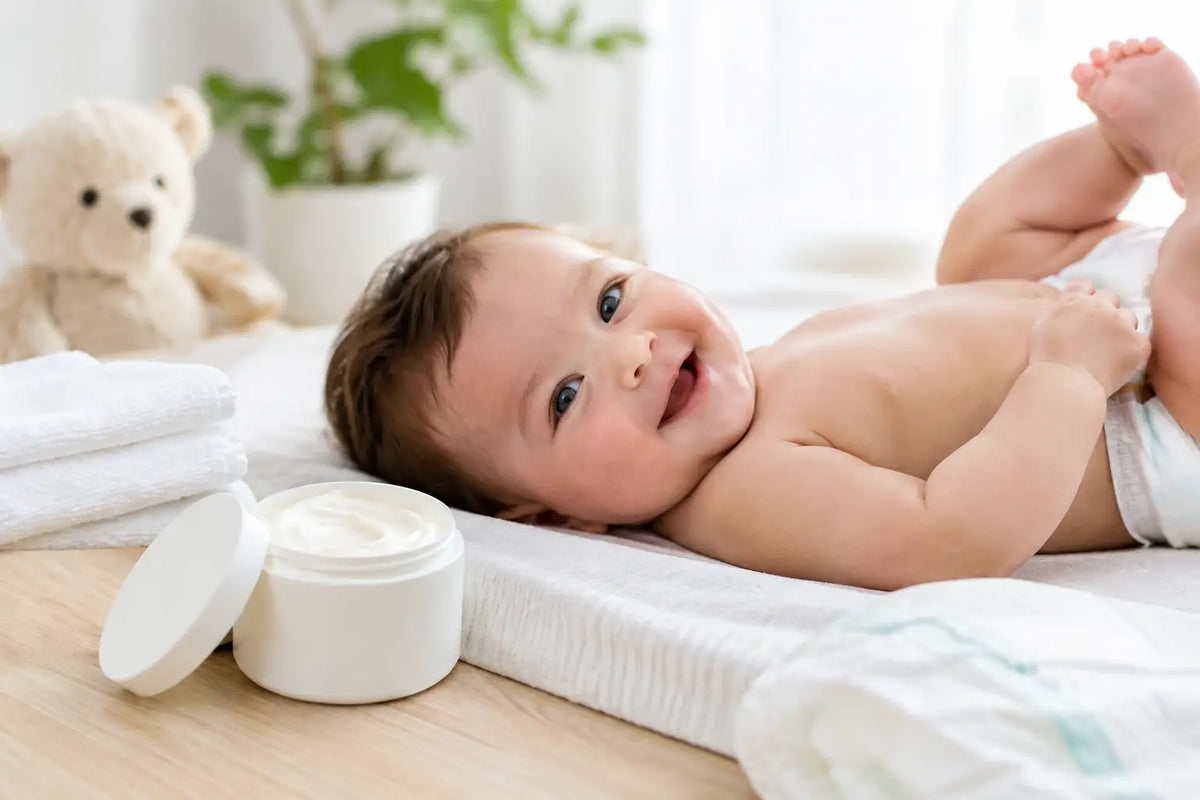
Apply sunscreen around 15 to 20 minutes before heading outside if the product instructions advise it. Use enough to form an even layer rather than a thin, quickly rubbed-in trace. It can help to apply it in sections while your baby is settled on a changing mat or in a high chair.
Do not forget the places that catch the sun first: the ears, back of the neck, tops of the feet, lower legs, hands and hairline. If your child has sparse hair or a visible parting, a hat is the best protection for the scalp. Keep sunscreen away from the eyes, lips and broken skin.
Reapply at least every two hours during outdoor time, and sooner after swimming, splashing, sweating or towel drying. Even a water-resistant formula needs another layer after a dip in the pool. Set a reminder on your phone if you are likely to be busy with bags, snacks and an eager toddler.
Before using a new product widely, try a small patch on your baby’s arm or leg and wait to see how their skin responds. Stop using it if you notice redness, swelling, persistent itching or a rash, and seek advice from a healthcare professional if the reaction is significant or does not settle.
Build a practical sun-ready bag
Sunny-day preparation is easier when the essentials stay together. Alongside sunscreen, pack a spare hat, lightweight cover-up, drinking water for older babies and children, nappies, a clean muslin and a change of clothes. For a day by the pool or beach, add a UV swim outfit and a dry towel so damp clothing does not stay against the skin for too long.
A compact shade option can be useful for longer stays outdoors, but check that it is stable and well ventilated. For very young babies, a calm indoor break is often the best reset when the temperature rises. Watch your child, not just the clock: flushed skin, unusual fussiness, tiredness or reduced feeding can all be signs that they need to cool down and rest.
Common sunscreen mistakes to avoid
One common mistake is saving sunscreen for holidays only. UV exposure can happen during an everyday walk, a playground visit or a few minutes beside a sunny window. Another is relying on cloudy skies. Clouds can make the temperature feel gentler, but they do not block all UV rays.
It is also easy to underestimate reflected light. Water, pale paving and sand can increase exposure, so hats and regular reapplication matter near pools and beaches. Finally, do not use an old bottle without checking the expiry date or whether it has been stored in extreme heat. Sunscreen that has sat in a hot car for long periods may not perform as intended.
Choosing sun care does not need to be complicated. Keep a baby-friendly broad-spectrum SPF in your family essentials, pair it with comfortable protective clothing, and make shade part of every outing. With a little preparation, sunny family time can stay focused on first splashes, pram walks and happy play rather than worrying about sore skin.