15 Toddler Lunch Box Ideas for Happier Mealtimes
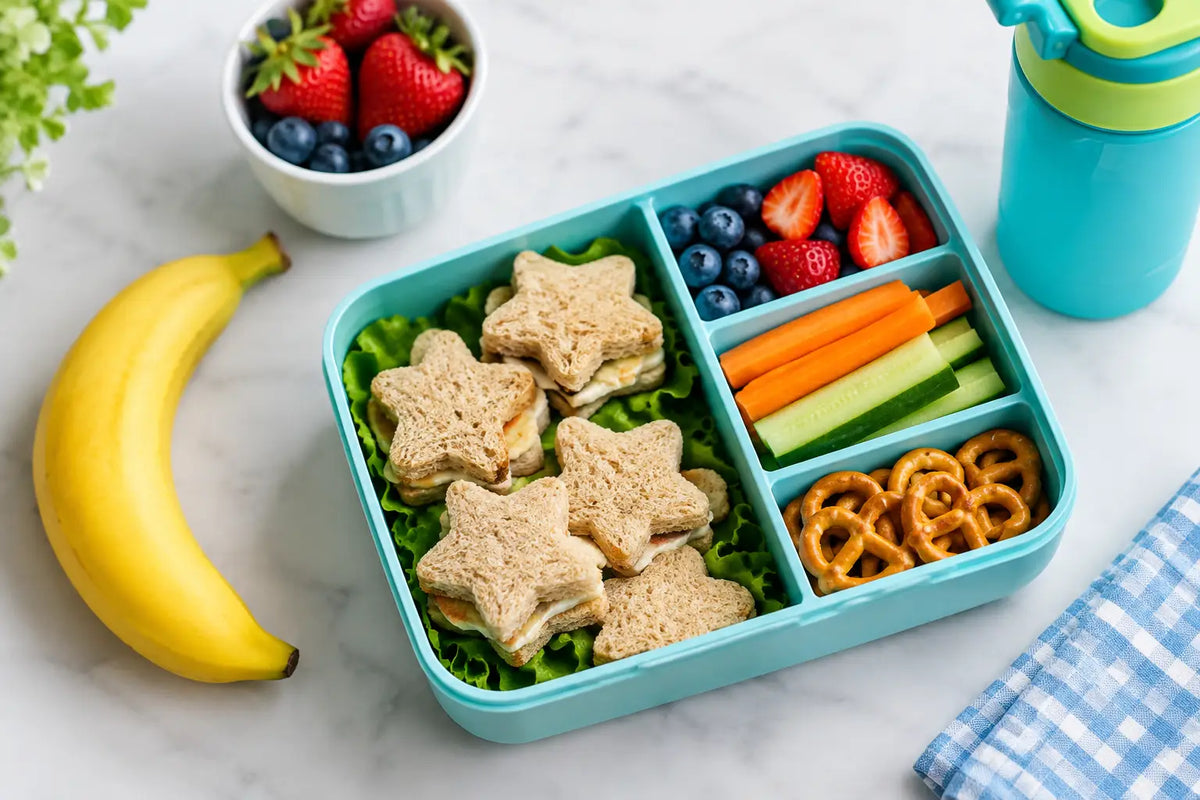
The morning nursery rush rarely leaves time for fussy food prep. The most useful toddler lunch box ideas are not picture-perfect meals - they are familiar, nourishing foods in small portions that your child can manage independently. A well-packed lunch box can make busy mornings feel calmer while helping little ones stay energised for play, learning and adventures away from home.
Start with a lunch box your toddler can use
A toddler lunch box should work with your child, not create another hurdle at mealtime. Choose one with easy-open clips, leak-resistant sections and a size that fits comfortably into their nursery bag. Separate compartments can be especially helpful for toddlers who prefer foods not to touch, while a small food flask is useful for warm lunches during cooler months.
Portions matter more than filling every section. Toddlers have small appetites and may eat differently from one day to the next. Offer a modest amount of a familiar main item, fruit or vegetables, and one or two sides. You can always pack a little extra if you know your child has a long day or a particularly active routine.
Before packing, check your nursery or playgroup's food policy. Many settings are nut-free, and some ask parents to avoid foods that pose a choking risk. Grapes, cherry tomatoes and blueberries should be cut appropriately for your child's age and ability. Hard raw vegetables, popcorn, whole nuts and round sweets are best left out of toddler lunch boxes.
15 toddler lunch box ideas to rotate
1. Mini sandwich squares with soft fruit
Make a simple sandwich with cheese, cream cheese, mashed avocado or finely shredded chicken, then cut it into small squares. Add banana slices or soft pear pieces for a gentle, familiar lunch.
2. Hummus, pitta and cucumber
Pack smooth hummus with soft pitta strips and thin cucumber sticks. If cucumber is still too crunchy for your toddler, swap it for steamed carrot batons or roasted courgette.
3. Pasta with peas and cheese
Cold pasta shapes are easy for little fingers to pick up. Toss cooked pasta with peas, sweetcorn and grated cheese, using a light dressing only if your child already enjoys it.
4. Egg muffin bites
Baked egg muffins with chopped spinach, grated courgette or cheese are handy for make-ahead lunches. Serve one or two bites with soft fruit and crackers, keeping the meal simple rather than overfilling the box.
5. Chicken and rice pot
Leftover plain chicken with soft rice and peas makes a comforting option. A food flask can keep it warm, but only use one if your child is comfortable eating from it and the nursery permits hot food.
6. Cheese cubes with oatcakes
Small cubes or thin strips of mild cheese pair well with toddler-sized oatcakes. Add sliced strawberries or ripe melon for a lunch that feels like a snack plate but still offers satisfying protein and energy.
7. Mini wrap pinwheels
Spread a soft wrap with cream cheese or mashed avocado, add finely grated carrot or chicken, roll it up and slice into chunky pinwheels. Make sure the pieces are not so small that they become frustrating to hold.
8. Lentil and vegetable patties
Soft homemade patties made with lentils, mashed sweet potato and vegetables can be served cold or warm. They are particularly useful for families looking for meat-free lunch box options that still feel filling.
9. Yoghurt with fruit and cereal
Use a leak-resistant pot for plain full-fat yoghurt, then add soft berries or mashed mango and a small portion of low-sugar cereal separately. Pack the yoghurt with a cold pack, particularly in the UAE heat.
10. Mini bagel with avocado
A small bagel half topped with mashed avocado and a squeeze of lemon can be a welcome change from sliced bread. Pair it with steamed broccoli florets or soft pepper strips if your toddler accepts them.
11. Couscous with roasted vegetables
Couscous is quick to prepare and has a soft texture that many toddlers enjoy. Mix it with finely chopped roasted vegetables and chickpeas, checking that the chickpeas are soft and lightly squashed for younger eaters.
12. Fishcake bites and sweetcorn
Homemade or carefully chosen fishcakes can provide variety when your child is used to chicken and cheese. Serve bite-sized pieces with sweetcorn, cucumber or a fruit pouch, depending on what is suitable for their age.
13. Banana pancakes
Small banana pancakes made with egg and oats are easy to hold and travel well. Add a thin layer of yoghurt for dipping only if the lunch box has a secure compartment, or pack fruit alongside instead.
14. Mild bean quesadilla
Fill a folded tortilla with mashed beans and grated cheese, then toast it lightly and cut into triangles. It is soft, satisfying and easy to adapt with sweet potato or finely chopped vegetables.
15. Leftover family dinner, toddler-style
A small portion of last night's pasta bake, vegetable fritters or mild curry with rice can save valuable time. Keep flavours familiar, cool food quickly before refrigerating, and pack it safely the following morning.
Build a balanced box without making it complicated
Think of lunch as a flexible combination rather than a rulebook. A useful starting point is a carbohydrate for energy, such as bread, rice, pasta or potatoes; a protein-rich food, such as egg, yoghurt, cheese, beans, chicken or fish; and fruit or vegetables your toddler already knows.
Not every lunch will include every food group, and that is normal. What children eat over a week matters more than what they eat in one nursery session. If your toddler refuses vegetables at lunch but happily eats them at dinner, keep offering small, pressure-free portions rather than turning the lunch box into a battleground.
Toddlers often eat more when food looks manageable. Cut sandwiches into fingers, offer a small fork for pasta, and pack only enough for your child to see and choose from. A favourite food alongside something less familiar can encourage curiosity without asking too much of them.
Pack safely for warm days and busy schedules
Food safety deserves extra attention when temperatures are high. Chilled foods such as yoghurt, cheese, cooked chicken, egg dishes and leftovers should go into an insulated lunch bag with an ice pack. Keep the lunch bag out of direct sunlight where possible, and follow your nursery's guidance on refrigeration and serving times.
Prepare lunch the evening before when it makes sense, especially for washed fruit, cooked pasta or baked snacks. Store everything in the fridge, then assemble in the morning so bread does not become soggy and crisp foods keep their texture. If a food has been sitting warm for several hours, it is safer not to send it again the next day.
A small spill-proof water bottle is usually the best drink companion. Milk, juice and sweet drinks can be harder to keep chilled and may reduce appetite for lunch. Water keeps the routine straightforward and supports healthy habits from the start.
Make lunch box routines easier to maintain
Keep a small rotation of reliable foods rather than searching for brand-new ideas every week. Two or three sandwich fillings, a few fruit choices, a make-ahead bake and one warm option can cover most nursery days. Shopping for easy-open lunch boxes, insulated bags, child-friendly cutlery and food pots at the same time also helps create a routine that is ready for every outing.
At Baby Life, parents can find practical feeding and on-the-go essentials alongside everyday toddler needs, making it easier to prepare for nursery days without visiting multiple shops. Choose products that suit your child's current stage, then allow the routine to change as their confidence and appetite grow.
The best lunch box is the one that comes home mostly eaten, is safe to pack, and does not add stress to your morning. Start with foods your toddler trusts, repeat what works, and leave room for their tastes to surprise you.