Baby Feeding Essentials Guide for New Parents

The feeding aisle can make a simple question - “What will my baby actually need?” - feel surprisingly complicated. This baby feeding essentials guide keeps the focus on useful everyday items, whether you are preparing to breastfeed, bottle feed, combination feed or begin weaning. Start with what supports your family’s routine, then add pieces as your baby grows and their feeding habits become clearer.
Baby feeding essentials guide: start with your feeding plan
There is no single best way to feed a baby. Some families breastfeed exclusively, others use formula, and many combine both at different points. Your first shopping list should leave room for that flexibility rather than committing you to products you may not use.
For breastfeeding, comfort and easy access are often the priorities. A supportive nursing bra, washable breast pads and a nursing pillow can make frequent feeds more manageable, particularly during the early weeks. A muslin cloth is equally valuable: keep one close for winding, milk dribbles and shoulder protection. If you expect to express milk, a breast pump and suitable storage containers may be helpful, but the right setup depends on how often you plan to pump and whether you will be returning to work or sharing feeds.
For bottle feeding, begin with a small number of bottles rather than a large set. Babies can be particular about teats, bottle shapes and flow rates, so trying two or three bottles first can prevent waste. Choose newborn teats with a slow flow, then move up only when your baby seems frustrated by feeds or takes much longer than usual. A bottle brush and steriliser are practical from day one, while a drying rack helps keep clean equipment organised between feeds.
Formula-fed babies need a reliable feeding routine, not an overloaded cupboard. Alongside bottles and sterilising equipment, consider a formula dispenser for outings and a flask for carrying hot water when you are away from home. Always prepare formula according to the instructions on the packaging and follow current healthcare guidance on safe preparation and storage.
The everyday newborn feeding kit
Newborn feeding is repetitive, messy and usually done while one hand is busy holding your baby. The most helpful essentials are simple, washable and easy to reach.
Keep a good supply of soft muslin cloths in the places you feed most often. They are gentler than rough towels for wiping milk from delicate skin and can double as burp cloths, bibs or light covers. Bibs are useful too, especially for dribbly babies, but choose absorbent styles with secure fastenings and change them promptly if they become damp.
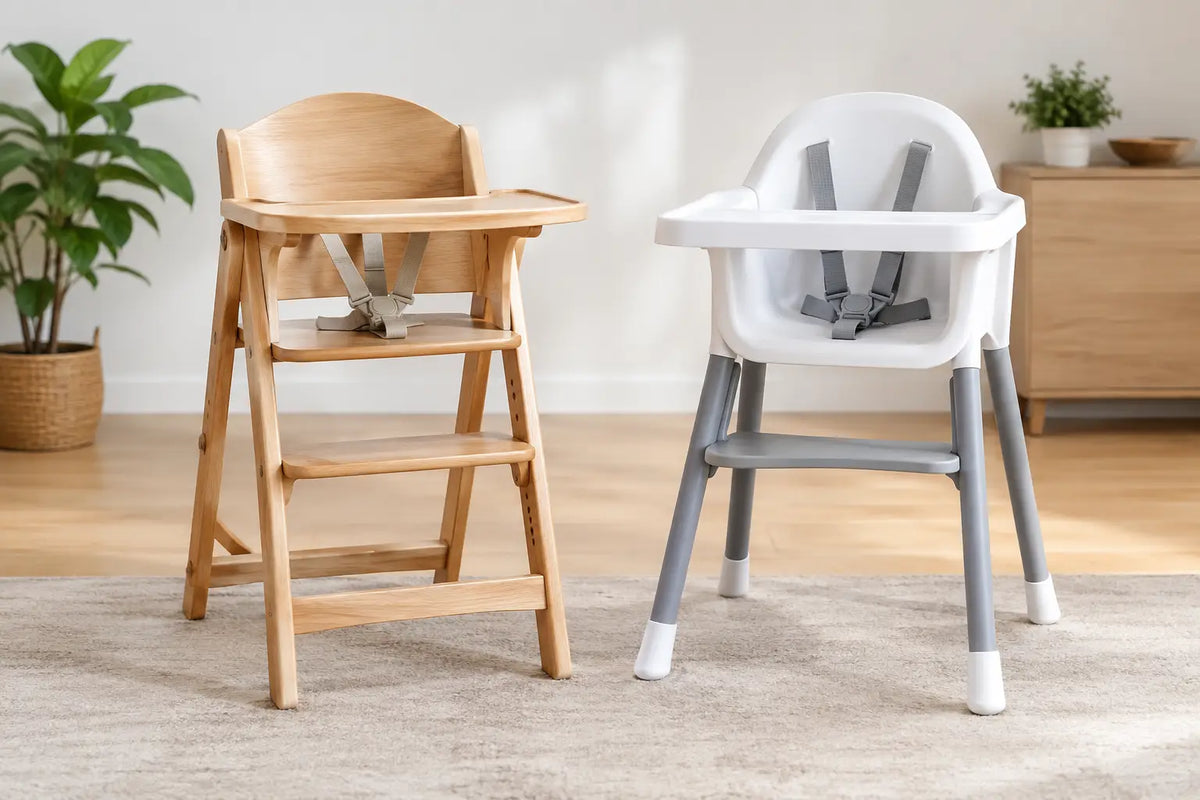
A comfortable feeding baby high chair is essential, but a supportive place to sit can make a genuine difference during long feeds. Position water, snacks, your phone, muslins and a spare bib within reach before you start. These small preparations are often more useful than buying another gadget.
For night feeds, a low light and a compact basket stocked with clean bottles, nappies and wipes can reduce the need to search through cupboards. If you are bottle feeding, having a clear sterilising and preparation area in the kitchen keeps the process calmer when everyone is tired.
Choosing bottles, teats and sterilisers
Bottles do not need to match perfectly or come from one brand. What matters is that they are easy for you to clean, compatible with the teats you need and comfortable for your baby to use. Wide-neck bottles can be easier to fill and wash, while slimmer bottles may fit neatly into smaller changing bags. Anti-colic designs can be useful for some babies, though they have more parts to clean.
A steam steriliser offers convenience for families using several bottles each day. Microwave sterilisers take up less counter space, while cold-water sterilising can be useful for travelling or homes with limited kitchen space. Whichever method you choose, check that it suits the size and materials of your bottles, pump parts and teats.
When your baby is ready for weaning
Most babies are ready to start solids at around six months, when they can sit with steady head control, coordinate their eyes, hands and mouth, and swallow food rather than pushing it back out. Every baby develops at their own pace, so use these signs alongside advice from your health visitor or paediatrician.
The transition to solids does not require a drawer full of specialised equipment. At first, you need a safe high chair, a few easy-clean bowls and spoons, bibs, and a cup suitable for small hands. Milk remains your baby’s main source of nutrition through the first year, so think of early meals as practice, exploration and a chance to enjoy new tastes and textures.
A high chair is one purchase worth choosing carefully. Look for a stable base, a secure harness, an upright seating position and surfaces that wipe clean without trapped crumbs. A removable tray can be handy, but it is not essential. Some families prefer a compact folding chair for smaller homes, while others choose an adjustable model that can be used from weaning into the toddler years.
The weaning essentials that earn their place
Silicone-tipped spoons are gentle on gums, and small bowls with a non-slip base can reduce the number of meals that end on the floor. A wipe-clean sleeved bib is particularly useful once your baby begins self-feeding, while a suction plate may help if your little one enjoys testing gravity.
An open cup is a valuable skill to introduce from around six months, with a small amount of water offered at mealtimes. A free-flow cup can be another practical option, especially when you are out and about. Avoid treating any cup as spill-proof: even the best designs can leak when dropped, tipped or squeezed by enthusiastic hands.
Food storage pots and freezer trays can make batch-prepared purées convenient, but they are optional. If you cook family meals with no added salt and adapt the texture safely for your baby, a few storage containers may be all you need. The right choice depends on whether you enjoy meal preparation or prefer to make food fresh each day.
Make feeding safer and less stressful
Feeding products should support safe habits, not replace them. Always supervise your baby while they eat or drink, and make sure they are seated upright in a suitable high chair rather than reclining in a bouncer, car seat or stroller. Check cups, bottles and spoons regularly for cracks, loose parts or worn teats, and replace damaged items.
When offering finger foods, prepare pieces in shapes and textures appropriate for your baby’s stage. Grapes, cherry tomatoes and similar round foods need careful preparation, while hard foods such as raw apple and nuts are not suitable for young babies. Introduce common allergens in age-appropriate forms and seek professional advice if your baby has eczema, a known allergy or a family history that concerns you.
A washable floor mat beneath the high chair can save time during the enthusiastic, experimental phase of weaning. It is not a necessity, but for many families it is a practical way to protect floors and make clearing up less of a daily task.
Buy for the stage you are in, not every stage at once
It is tempting to prepare for newborn feeds, six-month weaning and toddler snacks in one order. Yet buying gradually usually leads to a more useful collection. Your baby may prefer a particular teat, your kitchen may suit one type of steriliser better than another, and your approach to solids may change once you see how they respond.
At Baby Life, parents can build a feeding setup around daily life - from nursing support and newborn bottles to high chairs, bibs and weaning accessories - without having to search across separate shops. Prioritise items that will be washed, used and relied on repeatedly, then choose extras that solve a real challenge in your home.
Feeding will not always be tidy or predictable, and that is perfectly normal. A few well-chosen essentials, a safe seat and an easy-to-maintain routine leave more room for the part that matters most: helping your baby feel comfortable, nourished and included at every meal.