How to Choose the Best Diaper Bag Backpack

The best nappy bag backpack usually reveals itself five minutes after you leave the house. One hand is on the pram, the baby needs changing sooner than expected, and somehow the wipes have vanished to the very bottom of the bag. A well-chosen backpack fixes that kind of stress quietly - by keeping essentials easy to reach, comfortable to carry, and properly organised for real family life.
For many parents, a backpack style makes more sense than a shoulder bag from the start. It spreads weight more evenly, keeps both hands free, and feels more secure when you are carrying your baby, folding a pushchair, or moving through a busy shopping centre. That matters even more once short outings turn into full days out, nursery drop-offs, weekend visits, or flights with hand luggage limits.
What makes the best nappy bag backpack?
The short answer is balance. The best option is not always the biggest, the most expensive, or the one with the most pockets. It is the bag that fits your routine without becoming bulky, awkward, or difficult to clean.
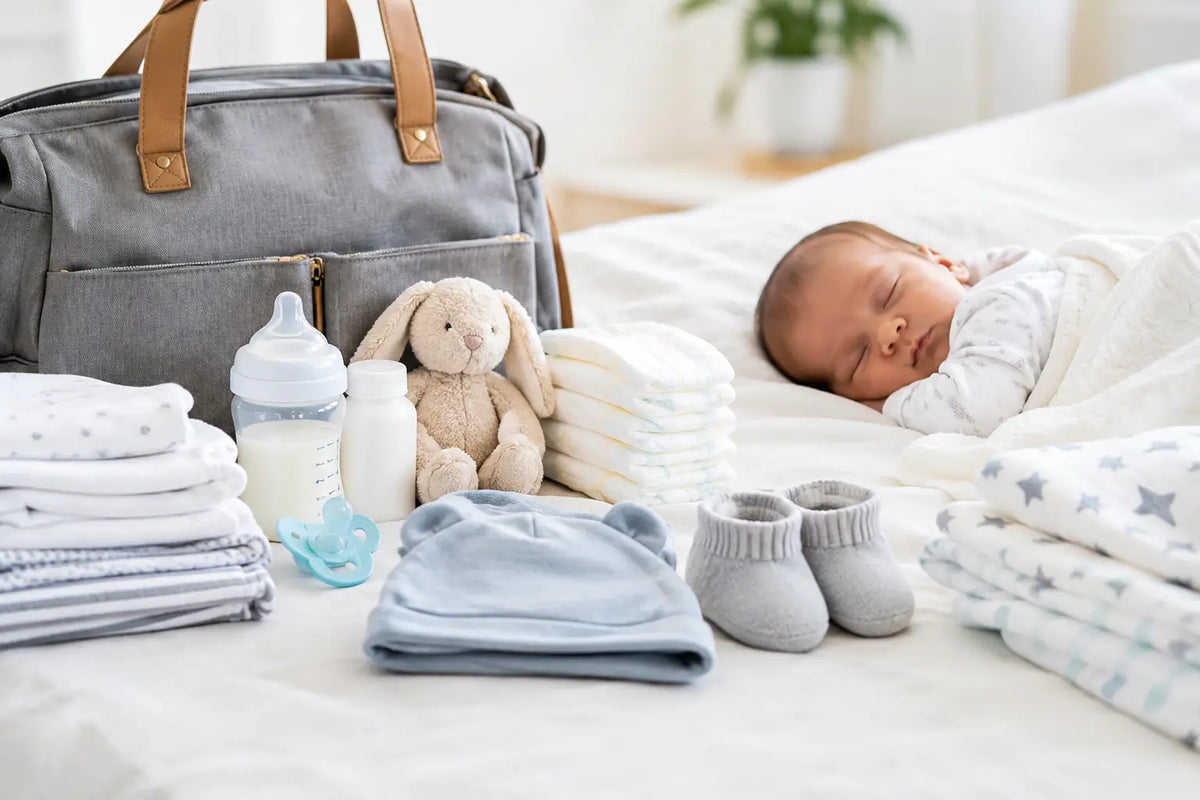
A good nappy bag backpack should have enough room for nappies, wipes, spare clothes, feeding items, and your own essentials, but it should not feel oversized for everyday use. Parents often assume more space is always better. In practice, extra capacity can encourage overpacking, which means more weight on your back and more time spent searching through items you do not need.
Shape matters as much as capacity. A bag with a wide opening and structured sides is usually easier to use than a soft, collapsing bag where everything slips to the bottom. If you can open the top and see most of the contents at once, you are already off to a good start.
Best nappy bag backpack features worth prioritising
Storage design should come before appearance. A stylish finish is always welcome, but day-to-day convenience matters more when you are changing a nappy in a parent room or reaching for a bottle in the car.
Insulated bottle pockets are useful for many families, especially during longer outings. They help keep feeds at a steadier temperature, though they are not essential for every parent. If your baby is older or you mainly use ready access to snacks and water, you may prefer flexible side pockets instead.
A dedicated wipes pocket can be genuinely helpful, but only if it is easy to access with one hand. The same applies to changing mat compartments. Some bags include a fold-out changing area or a padded mat, which can save time when facilities are limited. For travel-heavy families, that extra convenience is often worth it.
Internal compartments should help you separate clean clothes, used muslins, creams, feeding accessories, and small valuables. Too many narrow pockets, however, can work against you. If every section is highly specific, the bag becomes less adaptable as your child grows.
Zips should open smoothly and feel sturdy. This sounds minor until you are trying to reach something quickly while holding a wriggling baby. Wide, durable straps are also important. Thin straps can dig into your shoulders once the bag is fully packed.
Choosing the right size for your routine
If you mainly need a bag for local errands, clinic visits, or quick café trips, a compact to medium backpack is often enough. You want space for the basics without carrying a full day’s supply every time you leave the house.
If you are often out for longer stretches, or you have twins or siblings close in age, a larger bag may be the better fit. In that case, look for a design that still keeps weight close to your back. A tall, overly deep bag can become tiring quickly, especially in warmer weather.
Travel changes the calculation a bit. For airport use, road trips, or regular weekend stays, the best nappy bag backpack needs to work harder. You may need room for more feeds, extra outfits, comfort items, medicines, and your own chargers or travel documents. A bag that slides neatly under a seat or attaches easily to luggage can be especially practical.
The key is to buy for your most common routine, not your rarest one. If you only travel a few times a year, a very large bag may be more frustrating than useful the rest of the time.
Comfort matters more than parents expect
When shopping for baby gear, it is easy to focus on the baby-facing features and forget the carrying experience. But if a bag is uncomfortable, you will notice it every single day.
Padded shoulder straps are one of the first things to check. Breathable back panels can also make a difference, particularly in the UAE, where heat and humidity can turn a heavily packed bag into an uncomfortable extra layer. A top grab handle is useful too, especially when lifting the bag in and out of the car or hanging it near a changing station.
Weight should be considered before you even add your essentials. Some bags feel substantial and premium, but that can become a disadvantage once packed with nappies, bottles, bibs, and spare clothes. Lighter materials often make more sense for everyday use, provided they still feel durable.
Materials, cleaning, and long-term use
Babies are not tidy, so your bag should not be precious. Water-resistant materials are worth having because spills, drips, and weather changes are simply part of parenthood. Wipe-clean linings are another feature that quickly proves its value.
The exterior fabric should be durable enough for regular use, but also easy to maintain. Smooth finishes often wipe down more easily than textured fabrics. Darker colours can hide marks better, though lighter neutral shades still work well if the material cleans up without much effort.
Think about how the bag will age. A backpack that still works beyond the newborn stage offers better value. As your child grows, bottle compartments may become snack storage, and nappy sections may turn into spaces for toys, spare pants, or nursery items. The most useful bags adapt with your family instead of feeling outdated after a few months.
Style still plays a role
Practicality comes first, but style should not be ignored. The best nappy bag backpack is one you feel comfortable carrying every day. Many parents want a design that looks neat, modern, and suitable beyond the baby years, especially if both parents will use it.
Neutral colours, simple hardware, and a clean silhouette tend to have the most staying power. That said, personal preference matters. If a certain colour or finish makes you more likely to enjoy using the bag, that is a valid part of the decision.
Shared use is another factor. If one bag will move between parents, look for adjustable straps, straightforward compartments, and a design that suits both of you. A bag that only one parent likes often ends up less useful than expected.
Common mistakes when buying a nappy bag backpack
One of the most common mistakes is choosing based on looks alone. Another is buying the largest bag available and assuming it covers every future need. Bigger can be helpful, but it can also mean clutter, added strain, and wasted space.
Parents also sometimes overvalue accessories. Extras such as USB ports, detachable pouches, or highly specialised organisers can sound appealing, but they are only helpful if they genuinely match your routine. Focus first on comfort, storage, and easy cleaning.
It is also worth thinking about pram attachment points. Some backpacks include them, while others rely on separate clips. Hanging a very heavy bag from the pushchair handle can affect balance, so this feature is useful, but should not be the main reason to choose one bag over another.
How to tell if a bag will work for your family
Picture a normal day rather than an ideal one. You may be carrying a baby, guiding a toddler, answering a message, and trying to find wipes quickly. Can you open the main compartment without fuss? Can you separate clean and used items? Will the bag feel manageable after two or three hours out of the house?
That real-life test matters more than a long feature list. Parents usually need a bag that supports routine rather than impresses on paper. Trusted, thoughtfully designed products tend to do this best, especially when they are built for daily family use rather than occasional novelty.
At Baby Life, the focus is on practical baby essentials that make everyday parenting easier, and that is exactly the right lens for choosing a nappy bag backpack. A dependable bag should reduce friction, not add to it.
The right backpack will not make every outing perfectly calm, but it can make the messy moments easier to manage - and for most parents, that is exactly what good baby gear should do.