Newborn Essentials Checklist for Your First Weeks
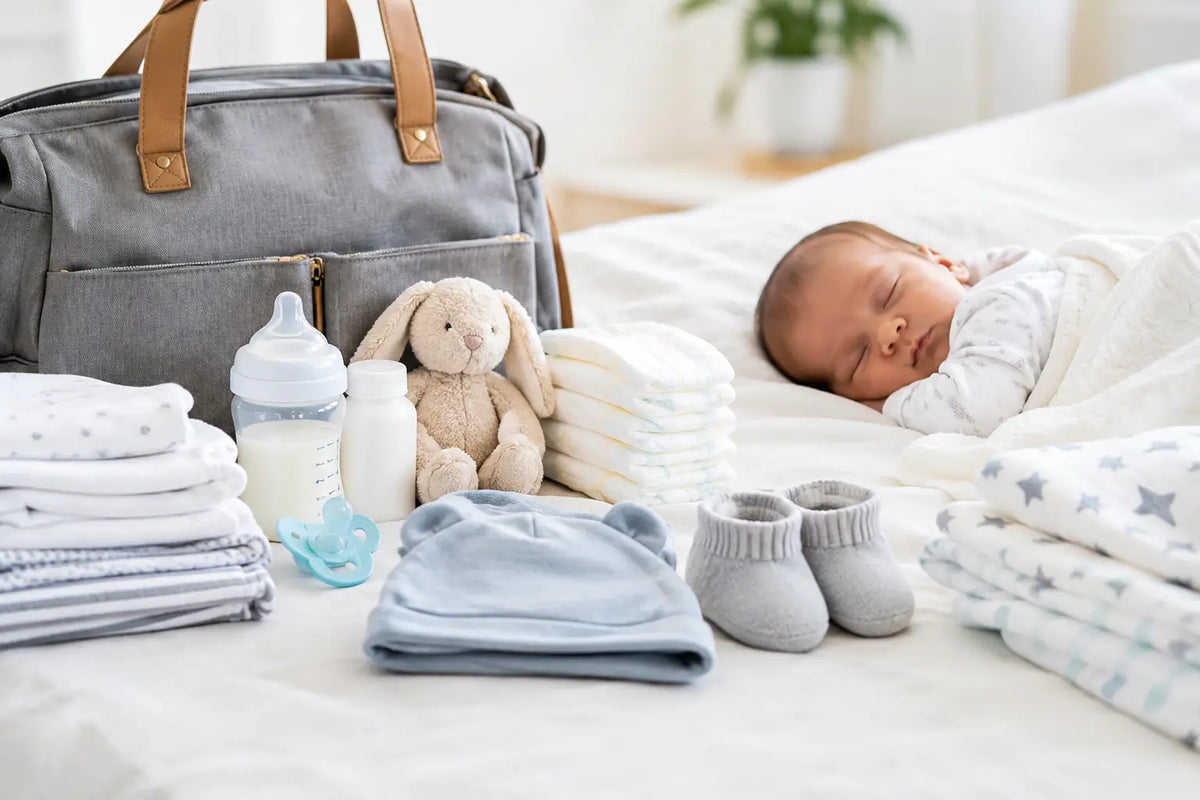
The smallest purchases can create the biggest uncertainty before a baby arrives. Do you need a bottle warmer? How many newborn sleepsuits are enough? And will that beautiful nursery item actually be useful at 2 am? A thoughtful newborn essentials checklist keeps the focus on what supports real daily routines: feeding, sleeping, changing, washing and getting safely from place to place.
The aim is not to buy every product before your due date. Babies have different needs, and your preferred routine will become clearer once they are here. Start with dependable basics, leave room for personal preferences, and choose items that are comfortable, safe and easy to use repeatedly.
Your newborn essentials checklist
Think about the first few weeks in five moments: sleep, nappy changes, feeding, dressing and travel. Preparing one practical station for each will make your home feel calmer, whether you are welcoming your first baby or adding to a growing family.
A useful starting basket includes a safe sleep space, newborn nappies and wipes, feeding equipment suited to your plans, simple cotton clothing, bathing basics and an approved car seat. These are the purchases most families use from day one. Larger or more specialised items can often wait until you know your baby’s size, temperament and daily pattern.
Safe sleep starts with a simple setup
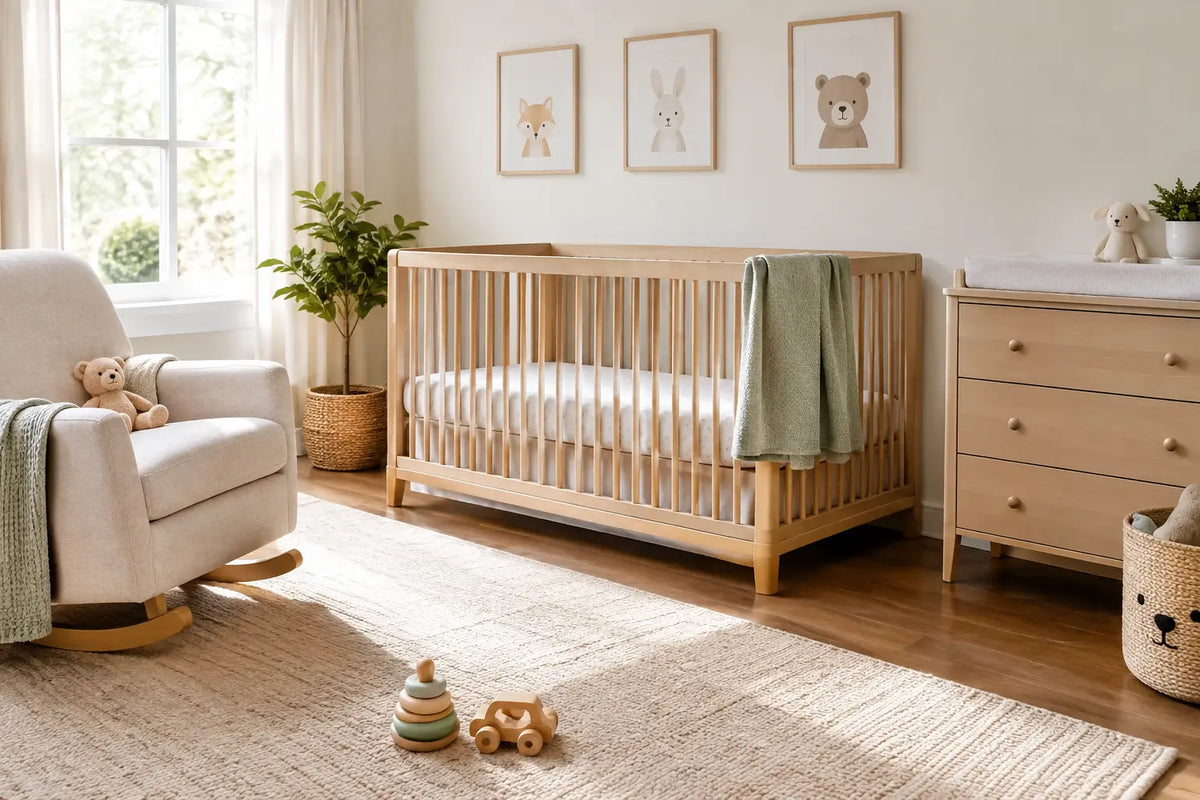
A cot, bedside crib or Moses basket provides a dedicated place for your baby to sleep. Choose a firm, flat mattress designed for that sleep space and fitted sheets that match its dimensions. Two or three sheets are usually enough to manage laundry without filling a cupboard before baby has arrived.
Keep the sleeping area clear. Your baby does not need pillows, duvets, cot bumpers, soft toys or loose blankets around their face. A well-fitting sleeping bag in the right size and warmth rating can be a practical option when used according to its guidance. Always follow current safe-sleep advice and the manufacturer’s instructions for the product you choose.
A dim night light, a changing basket kept nearby and a comfortable chair can make overnight care easier, but they are supporting items rather than must-haves. If space is limited, a bedside crib and a compact drawer organiser can be far more useful than a fully styled nursery.
Nappy changing essentials you will reach for every day
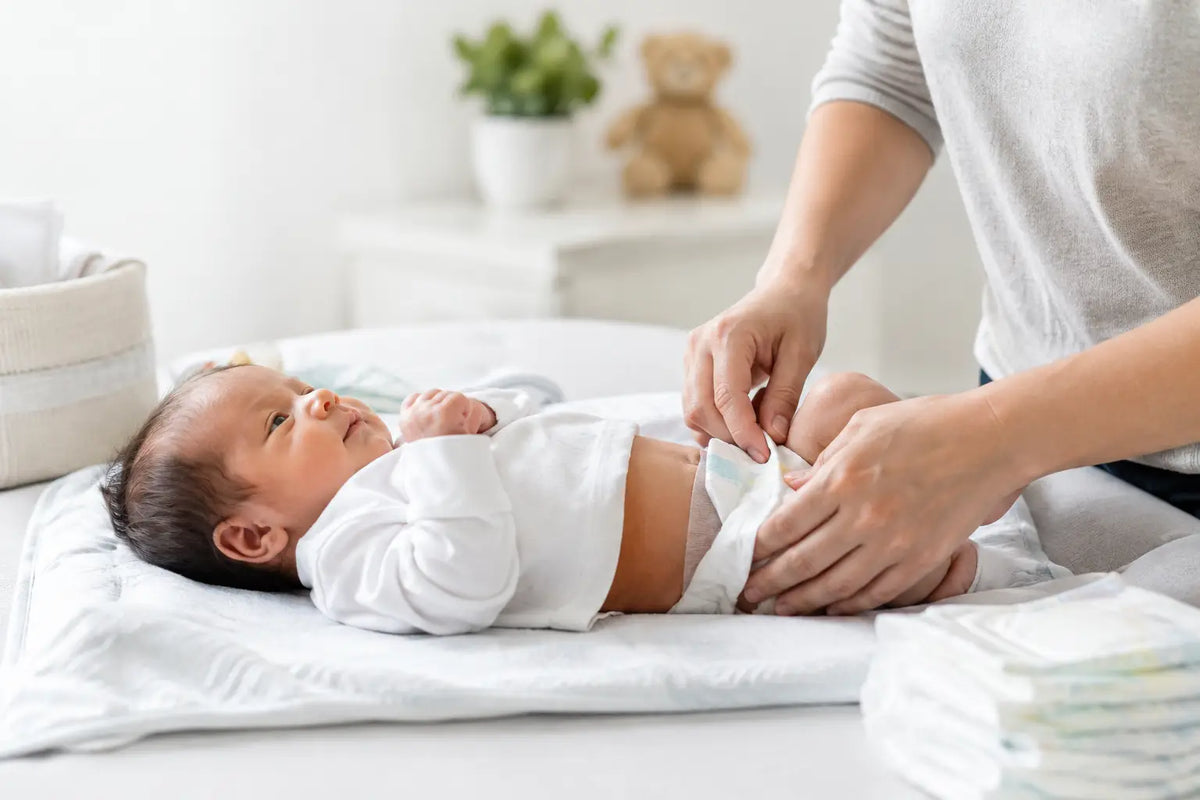
Newborns need frequent changes, so this is one category where having enough supplies matters. Begin with a small pack or two of newborn nappies rather than stocking up in bulk. Some babies outgrow the size quickly, while others are more comfortable in a different fit or brand.
Keep nappies, fragrance-free wipes or cotton wool, nappy cream and a change of clothes together in a portable caddy. This lets you set up beside the bed, on the sofa or wherever you are feeding. A changing mat with a wipe-clean surface is useful even if you do not have space for a dedicated changing table.
A nappy bin can help contain odours, particularly in a flat or smaller home, but a regular covered bin emptied often may suit some households just as well. The best choice is the one that makes changes quick and hygienic for your family.
Feeding equipment depends on your plan
Feeding needs are personal, and it is sensible to buy for the beginning rather than every possible scenario. If you plan to breastfeed, comfortable nursing bras, breast pads, a nursing pillow and a water bottle within reach can make long feeds more manageable. A breast pump may be helpful for some parents, but it does not have to be an immediate purchase unless advised for your circumstances or already part of your plan.
If you are bottle feeding, or would like bottles available for expressed milk, start with a few newborn bottles and teats with a slow flow. You will also need a reliable method for sterilising feeding equipment. A bottle brush and drying rack help keep the routine organised, while a formula dispenser can be handy for days out if you are using formula.
Avoid buying a large number of one bottle type before your baby arrives. Some babies settle best with a particular teat shape or flow, and you may need to try a small alternative. The same goes for bottle warmers: they can be convenient, but warm water and a careful routine may be all you need at first. Prepare formula and clean feeding equipment in line with health guidance.
Choose clothing for changes, not occasions
Newborn clothes look tiny, but they can fill a drawer quickly. A manageable starting point is a selection of vests, sleepsuits, a few cardigans or lightweight layers, socks and a soft hat for outdoor trips. Look for poppers or zips that allow easy nappy changes, and prioritise soft fabrics that wash well.
Buy a mix of newborn and 0-3 month sizes. Size labels vary, and many babies fit the larger size sooner than expected. In the UAE, indoor air conditioning and outdoor heat can make flexible layering particularly useful. A breathable cotton layer works well indoors, while a light muslin blanket can offer shade or a little extra comfort when supervised.
Save special outfits for later if you can. Your baby will spend much of the first month sleeping, feeding and being changed, so comfortable everyday pieces earn their place first.
Gentle bathing and everyday care
A baby bath or supportive bath seat can make washing easier, although some families use a clean basin or bathe with their baby safely in a larger bath. Whichever arrangement you choose, have everything within arm’s reach before you begin. Never leave a baby unattended in water, even for a moment.
A hooded towel, mild baby wash, soft washcloths, a baby nail file and a gentle hairbrush cover most early care needs. Newborn skin is often sensitive, so there is no need for a large collection of scented lotions or products. Start simply and add items only if your baby needs them.
Be ready for the first journeys
A suitable rearward-facing infant car seat is essential for bringing your baby home by car and for everyday travel. Check that it fits your vehicle before the due date, and practise adjusting the harness. A travel system can be a convenient choice if you want a car seat and pushchair that work together, while a separate lightweight pushchair may suit families who prefer a more compact option.
For walks and appointments, pack a changing mat, nappies, wipes, spare clothes, muslins and a light cover in a changing bag. Muslins are especially useful for feeding, burping and small spills, so having several is rarely wasted. A weather-appropriate pram cover or parasol can be useful outdoors, but keep airflow in mind and avoid covering a pushchair in a way that traps heat.
What can wait until you know your baby better?
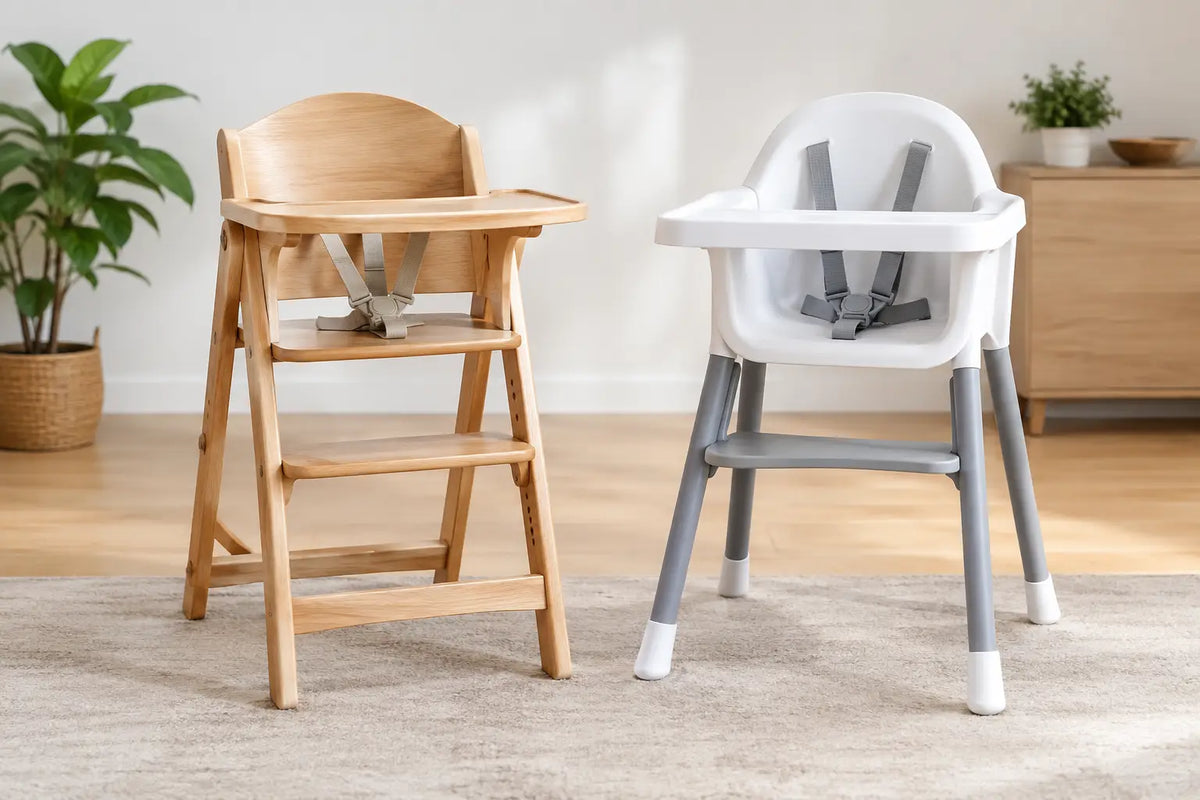
Many popular products are helpful for some families but not essential before birth. This can include a baby swing, bouncer, play gym, high chair, food maker, large toy collection and multiple bedding sets. A baby monitor may be valuable in a larger home, yet less urgent if your newborn sleeps nearby during the early months.
Buying later has two advantages: you can choose around your home and routine, and you avoid spending on products your baby may not enjoy. If friends and family are asking what to buy, these later-stage items make excellent gift ideas.
Make the checklist work for your home
Before placing your order, picture a normal morning after baby arrives. Where will nappies be changed? Where will bottles be washed? Which room needs spare muslins and clothes? This quick exercise often reveals what you need two of, such as changing supplies, and what only needs one reliable version.
Baby Life brings these everyday categories together so you can prepare your nursery, feeding corner and travel kit without piecing the basics together from multiple places. Choose trusted, practical products first, then let your baby’s own routine guide the rest. A calm first week rarely comes from owning more - it comes from having the right essentials close at hand.