Weaning Meal Examples for Baby’s First Foods
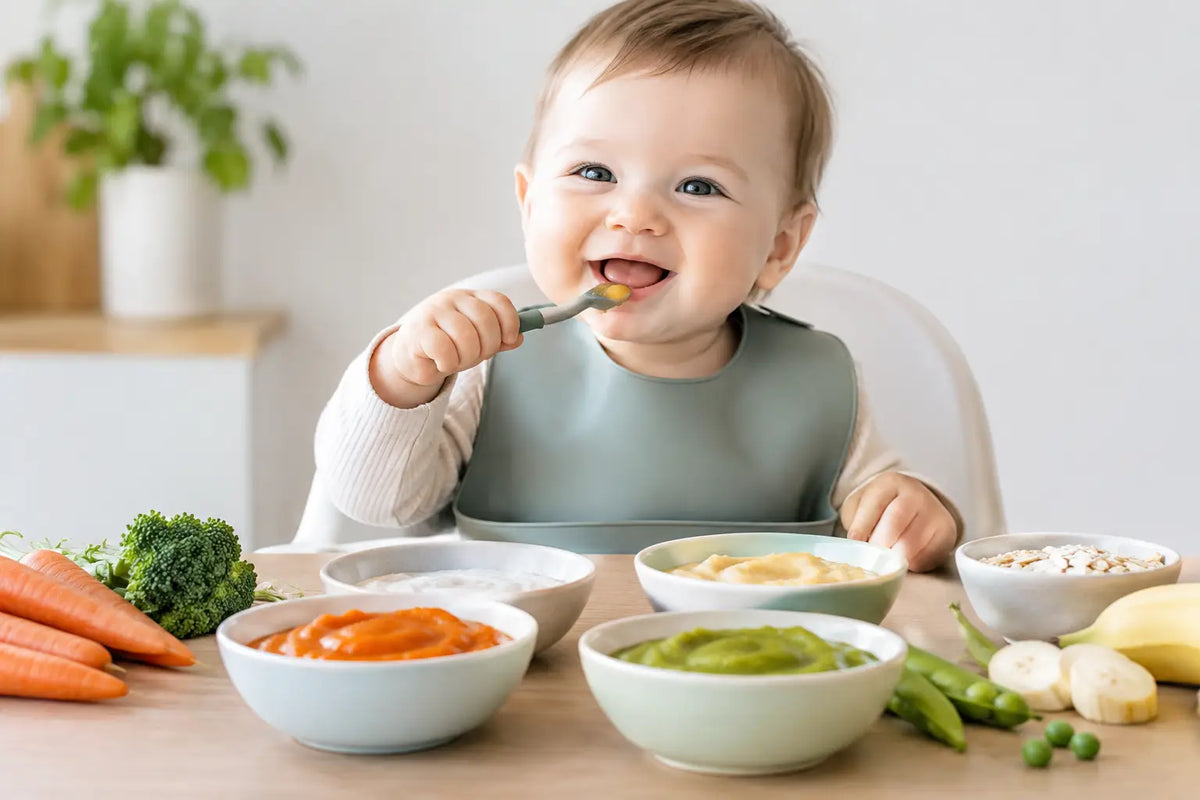
A baby who eagerly reaches for your spoon at breakfast may refuse the same food at lunch. That is completely normal. These weaning meal examples are designed to make those early meals feel less like a test and more like a gentle daily routine, with nourishing foods, manageable textures and plenty of room for your baby to learn.
Weaning is not about getting a full meal into your baby straight away. In the beginning, milk remains their main source of nutrition while food introduces new tastes, textures and skills. Whether you prefer spoon-feeding, baby-led weaning or a combination of both, the most useful approach is one that feels safe, calm and realistic for your family.
When to Begin Offering Weaning Meals
Many babies are ready to start around six months, but age is only one part of the picture. Look for signs that your baby can sit with good head control, bring objects to their mouth, coordinate their eyes and hands, and show an interest in food. If you are unsure about readiness, or your baby was born prematurely or has a health concern, speak to a healthcare professional before starting.
Start with one small meal a day, at a time when your baby is rested and not overly hungry. A few teaspoons of purée or a couple of soft finger-food pieces are enough at first. As confidence grows, you can gradually build towards two and then three meals, while continuing usual breast or formula feeds.
Simple Weaning Meal Examples by Stage
Every baby develops at a different pace. The examples below are guides rather than strict menus, so follow your baby’s appetite and ability rather than comparing portions or progress with another child.
First tastes: smooth, soft and single-minded
At the earliest stage, simple foods make it easier to notice what your baby enjoys and how they respond. Offer one food at a time or combine familiar choices once they have been accepted.
A smooth carrot, sweet potato or butternut squash purée makes a naturally mild first lunch. Steam until very soft, then blend or mash with a little water, breast milk or prepared formula to reach a spoonable consistency. Mashed ripe avocado is another quick option, with no cooking required.
For breakfast, try smooth porridge made with your baby’s usual milk, then stir through mashed pear, banana or stewed apple. Full-fat plain yoghurt can be offered on its own or mixed with fruit purée. Choose unsweetened yoghurt and avoid adding honey before 12 months.
If you are offering finger foods from the start, a soft-cooked broccoli floret, a thick wedge of ripe avocado or a banana speared partway out of its peel can work well. Food should squash easily between your fingers. Your baby may gum, lick and drop it before they actually eat much, and that is part of the learning.
Around seven to nine months: thicker textures and variety
As your baby becomes more confident, move from very smooth purées to mashed, lumpy and finely chopped foods. This transition matters because it gives them practice managing texture. It can be messy, but it is worth keeping meals relaxed.
A warming lunch could be mashed lentils with soft-cooked courgette and carrot. Red lentils cook quickly and become naturally soft, making them a practical family cupboard staple. Add a little olive oil for energy and flavour, but leave out stock cubes and salt.
Another useful option is flaky cooked salmon mixed with mashed potato and peas. Check carefully for bones and make sure the mixture is soft rather than dry. Eggs are also a convenient source of protein: serve well-cooked scrambled egg in soft curds, or cut an omelette into thick strips that are easy to grasp.
For an easy evening meal, make a small portion of family pasta with a smooth tomato and vegetable sauce. Set your baby’s portion aside before adding salt, then offer soft pasta shapes with the sauce mashed or finely chopped. Tiny pieces are not always necessary at this stage - larger, soft pieces can be easier for a baby to pick up.
Around nine to 12 months: meals that resemble family food
By now, many babies can enjoy more of the foods eaten at the family table, adapted for their stage. Aim for a mix of vegetables and fruit, starchy foods, protein-rich choices and healthy fats across the day. Appetite can change dramatically from one meal to the next, so think about balance over a week, not perfection at every plate.
Try soft chicken and vegetable couscous, made with finely chopped chicken, tender vegetables and couscous softened with water. A mild chickpea and spinach stew served with soft rice is another filling choice. Mash the chickpeas slightly if needed and make sure the rice is moist enough to hold together.
Breakfast might be oat pancakes made without added sugar, served with mashed berries and yoghurt. For lunch, offer beans on toasted fingers with a side of soft cucumber strips, removing the skin if it is tough. At dinner, a homemade fish pie with peas and a soft potato topping can become an easy shared family meal.
A Simple Day of Weaning Meals
A predictable rhythm can help busy parents plan without making food preparation feel like another major task. For a baby who is established on three meals, breakfast could be porridge with mashed banana, followed by milk as usual. Lunch might be lentil and vegetable mash with soft fruit, while dinner could be strips of omelette, roasted sweet potato wedges and yoghurt.
Snacks are not always necessary in the first year if milk feeds and meals are going well. If your baby does need something between meals, choose nourishing options such as soft pear slices, yoghurt, ripe avocado, oat fingers or a small piece of toast with a thin spread of smooth nut butter. Always spread nut butter thinly or mix it into porridge or yoghurt, rather than offering a sticky spoonful.
Water can be offered in an open cup or free-flow cup with meals from around six months. Small sips are enough. Cow’s milk is suitable in cooking and on cereal from six months, but should not replace breast milk or formula as the main drink before 12 months.
Building Balanced Meals Without Overcomplicating Them
The easiest way to build a weaning meal is to include a source of energy, a fruit or vegetable, and a protein-rich food where possible. For example, toast fingers, mashed avocado and scrambled egg make a balanced plate without a separate recipe. Rice, peas and shredded chicken work in much the same way.
Iron deserves particular attention from around six months, when babies’ natural iron stores begin to reduce. Offer iron-rich foods regularly, including meat, fish, eggs, beans, lentils and fortified cereals. Pairing plant sources of iron, such as lentils or chickpeas, with vitamin C-rich foods like tomato, broccoli, strawberries or orange segments can be helpful.
Do not worry if your baby eats very little of a new food. Repeated, pressure-free exposure is often more effective than persuasion. You might offer broccoli several times before it is accepted, and then find it is suddenly a favourite a month later.
Texture, Safety and Mealtime Set-Up
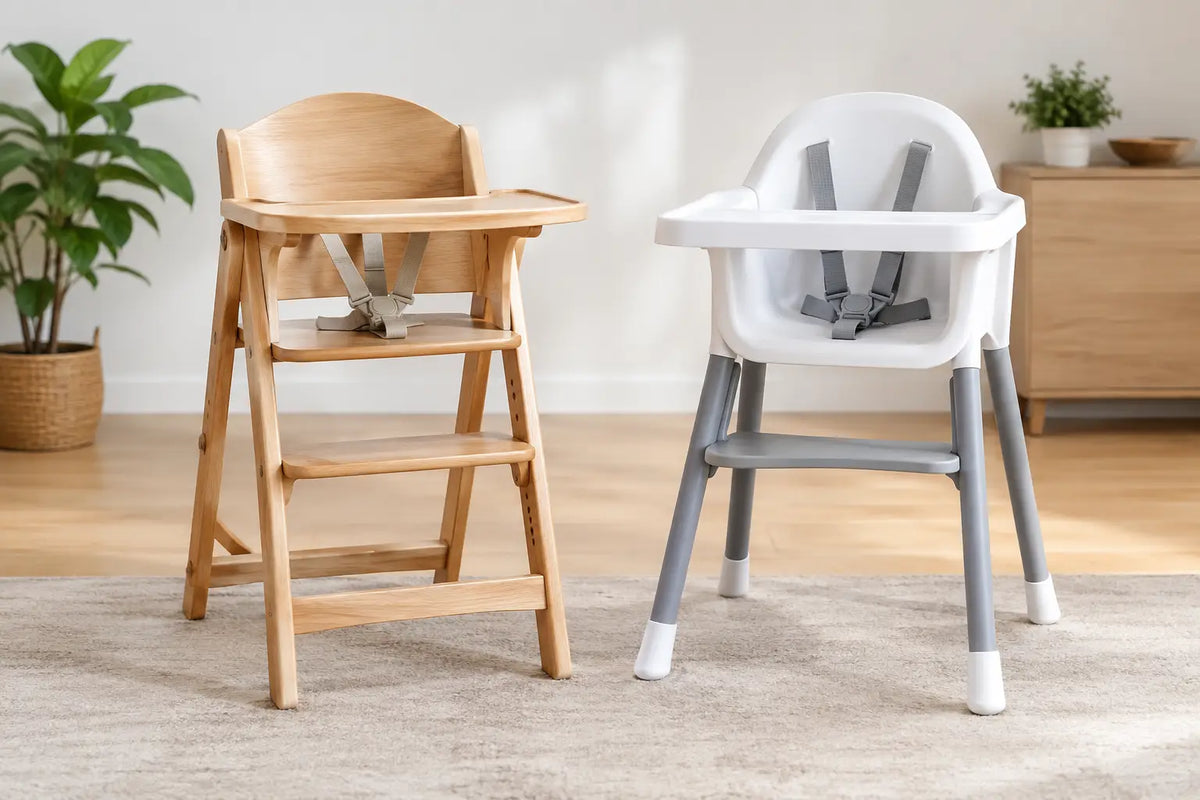
A supportive high chair with an upright seat, secure harness and stable footrest can make a real difference. Babies eat more comfortably when they are well supported, and a wipe-clean bib, suction bowl and easy-grip spoon can reduce the practical stress for parents.
Always stay with your baby while they eat and avoid feeding in a reclined position, pushchair or car seat. Learn the difference between gagging and choking: gagging is a common protective reflex while babies learn to manage food, whereas choking is silent or marked by difficulty breathing and needs urgent action. A paediatric first-aid course can give families valuable confidence.
Avoid foods that are hard, round, sticky or slippery unless prepared safely. Whole nuts, popcorn, whole grapes, raw apple chunks, hard carrot, whole cherry tomatoes and spoonfuls of nut butter are not suitable for babies. Cut grapes and tomatoes lengthways into quarters, cook firm vegetables until soft, grate or stew apple, and modify foods to suit your baby’s chewing ability.
Introduce common allergens, including well-cooked egg, smooth peanut butter, dairy, wheat, sesame and fish, one at a time in small amounts when your baby is well. Once tolerated, continue offering them regularly as part of normal meals. Seek medical advice first if your baby has severe eczema, an existing food allergy or a history of immediate allergic reactions.
Make Meals Work for Real Family Life
Batch-cooking can be useful, but it does not have to mean filling your freezer with dozens of tiny containers. Cook extra sweet potato, lentils, vegetable sauce or soft chicken for the family meal, then set aside a baby-friendly portion before seasoning. Freeze small portions promptly, label them clearly and reheat until piping hot, allowing food to cool and checking the temperature before serving.
Keep a few practical feeding essentials close by so meals are easier to start when your baby is hungry: a supportive high chair, soft-tip spoons, bibs, bowls and cups. At Baby Life, parents can find everyday feeding pieces alongside the wider essentials that support each new stage.
Some days your baby will eat enthusiastically; on others, they may push every spoon away. Offer the food, sit with them if you can, and let the meal end without pressure. A calm table, a familiar routine and another chance tomorrow will take you much further than a perfect menu.