Breast Pump vs Manual: Which Suits Your Routine?
A feeding plan can look completely different at 2 am, during a school run, or when you are returning to work. That is why the breast pump vs manual decision is less about finding one universally ‘best’ option and more about choosing what makes feeding feel manageable for you. Some parents need quick, regular expressing with minimal effort; others want a quiet, compact pump for occasional bottles.
Both electric and manual breast pumps can help you collect breast milk, maintain a supply when you are away from your baby, and give another trusted caregiver the chance to take a feed. The right choice depends on how often you expect to express, where you will use the pump, your budget and, importantly, what feels comfortable on your body.
Breast pump vs manual: the key difference
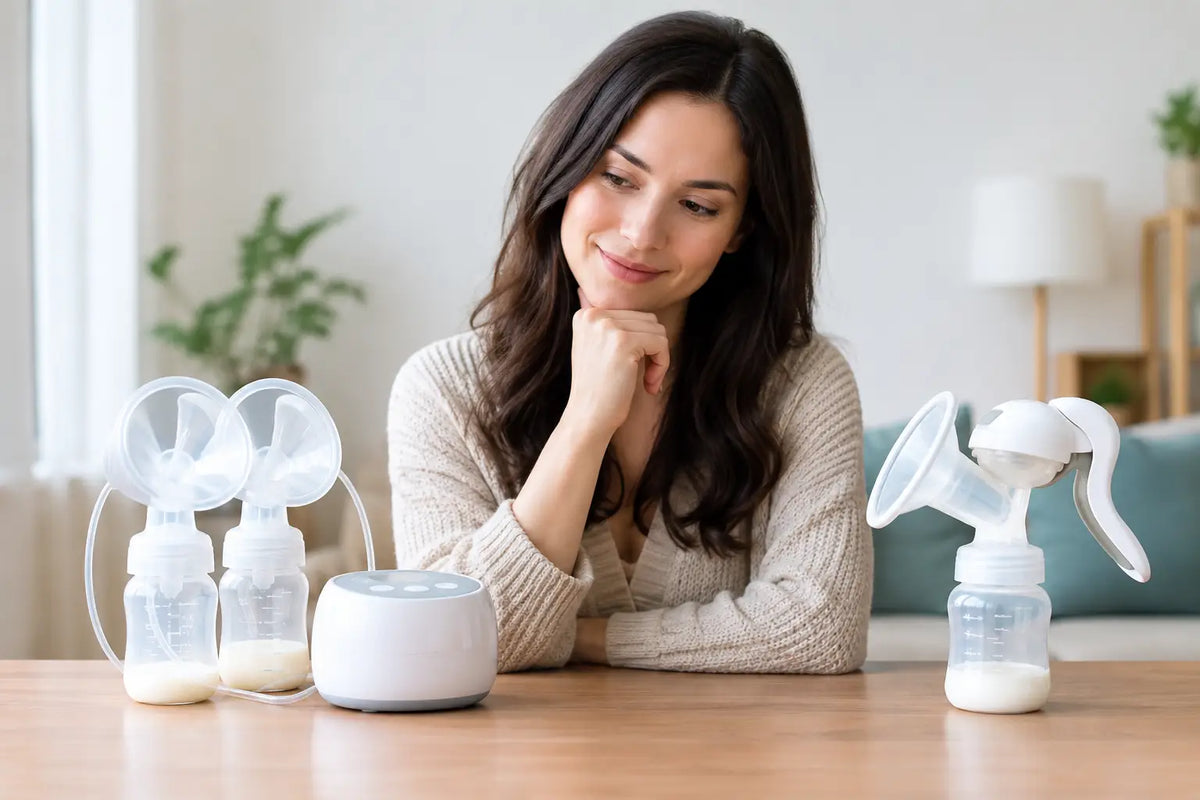
A manual breast pump is operated by hand. You squeeze a lever or handle to create suction, controlling the rhythm and strength yourself. It is straightforward, lightweight and does not require mains power, charging or batteries.
An electric breast pump uses a motor to create suction. Single electric pumps express from one breast at a time, while double electric pumps express from both breasts at once. Many offer adjustable suction levels and expression modes designed to mimic the faster sucking that can happen at the start of a feed, followed by a slower rhythm.
Neither type automatically produces more milk. Milk output can vary from day to day and is influenced by your baby’s feeding pattern, pump fit, stress, hydration, rest and how your body responds to expressing. A pump should support your feeding journey, not become a measure of it.
When a manual breast pump makes sense
A manual pump is often a reassuring first purchase for parents who are unsure how often they will express. It is small enough to keep in a changing bag, nursery drawer or suitcase, making it useful for days out, travel and unexpected moments when breasts feel uncomfortably full.
Because you set the pace with your hand, a manual pump can feel intuitive for occasional expressing. You can slow down, pause or change your rhythm instantly. Many parents also appreciate the quiet operation, especially when expressing near a sleeping baby or in a shared space.
It can be particularly practical if you mainly feed directly at the breast but would like to prepare an occasional bottle. For example, you may express after a morning feed to build a small milk supply, or relieve one breast while your baby feeds from the other. Its lower upfront cost also makes it a sensible option for a back-up pump.
The trade-off is effort. Regular pumping sessions can make your hand tired, and expressing both breasts takes longer because you work on one side at a time. If you need several pumping sessions every day, the repetition may quickly become inconvenient.
Choose manual if your routine is occasional
A manual pump may suit you well when you expect to express once in a while, want an uncomplicated travel-friendly option, or are still working out whether pumping will form a large part of your routine. It can also be a useful addition to an electric pump, rather than a replacement for one.
When an electric breast pump is worth it
An electric pump is designed for frequency and convenience. If you are pumping daily, returning to work, establishing a freezer supply, managing time apart from your baby, or exclusively expressing, the motor takes much of the physical work away.
The biggest advantage is consistency. Once you have found settings that feel comfortable, you can settle into a routine without continually operating a handle. A double electric pump can save significant time because both breasts are expressed at the same time. For a parent fitting sessions between feeds, naps, commuting and household life, that saved time matters.
Electric pumps may also offer features such as memory settings, timers, rechargeable batteries and quieter motors. These details are not essential for everyone, but they can make regular use easier. A rechargeable model is particularly helpful when you need flexibility around the home or while travelling, although it is wise to keep it charged and understand how long the battery lasts.
The compromise is that electric pumps tend to cost more, have more parts to clean and may take up more room in your bag. Some parents also find the sound of a motor distracting, although noise levels vary considerably between models.
Choose electric if pumping is part of every day
Consider an electric option if you will regularly miss direct feeds, need to express at work, are planning multiple sessions each day or simply want less hand effort. If time is your main pressure point, a double electric pump is often the most practical choice.
Comfort matters more than the number of features
A high-specification pump is not automatically the most comfortable one. The flange, also called the breast shield, needs to fit correctly. A shield that is too small or too large can cause rubbing, poor suction, nipple discomfort and less effective milk removal.
During pumping, the nipple should move freely in the tunnel without excessive pulling of surrounding breast tissue. Strong suction is not a sign that a pump is working better. Start at a gentle setting and increase only to a level that remains comfortable. Pumping should not be painful.
Look for pumps with clearly labelled parts, easy assembly and replaceable valves or diaphragms. Whether you choose manual or electric, you will be washing components often. A design with fewer fiddly pieces can make a real difference during tiring newborn days.
If you experience ongoing pain, cracked nipples, a sudden drop in supply, or difficulty expressing despite regular attempts, seek individual support from a lactation consultant, midwife or healthcare professional. Sometimes a small fit adjustment or feeding assessment is more helpful than changing pumps.
Consider your real-life routine before you buy
It helps to think beyond the product description. Ask when and where you are likely to pump. If you are mostly at home and expressing once or twice each week, a manual pump may cover your needs beautifully. If you need to express during a workday, check whether your chosen electric pump is portable, discreet enough for your setting and simple to pack with milk storage bottles.
Also consider what you need alongside the pump. Properly sized breast shields, spare valves, breast milk storage containers, cooler bags and nursing pads can make the routine more comfortable and organised. Having a spare clean set of parts can be especially useful for frequent pumpers.
For safe use, wash hands before expressing and clean pump parts that come into contact with milk after each use, following the manufacturer’s instructions. Let parts air-dry fully on a clean surface. Breast pumps are personal care items and should not be shared unless they are specifically designed for multiple users with separate personal accessory kits.
Cost, flexibility and long-term value
Manual pumps usually have the gentler price point and work whenever you have your hands available. They offer excellent value for occasional use, travel or as an emergency back-up. An electric pump is a bigger investment, but can be better value when it saves time and effort over months of regular pumping.
There is also a middle ground. Some parents start with a manual pump and move to electric once their routine becomes clearer. Others choose an electric pump for home and keep a manual model in their nappy bag. Your needs may change as your baby grows, feeds become more predictable or childcare arrangements begin.
A choice that supports your family
Choose a manual pump when simplicity, quiet use and portability are your priorities. Choose an electric pump when regular expressing, speed and reduced hand effort will make your day easier. If you are unsure, focus first on a comfortable fit, simple cleaning and a pump that suits the rhythm of your family rather than an idealised feeding schedule.
At Baby Life, practical feeding essentials are selected to help parents prepare for everyday moments with greater confidence. The best pump is the one that gives you a little more comfort, flexibility and breathing room when you need it most.