How to Store Breast Milk Safely Without Worry

A late-night expressing session is not the moment to second-guess which bottle went into the fridge first. A simple routine for how to store breast milk safely protects your expressed milk, saves precious time and makes feeding feel more manageable for the whole family.
Whether you are returning to work, building a small freezer supply or simply sharing feeds with a partner, the essentials are the same: clean equipment, careful labelling, reliable temperatures and a clear plan for using each bottle.
Start with clean hands and clean feeding equipment
Wash your hands thoroughly with soap and water before expressing or handling milk. Make sure pump parts, collection bottles, storage containers and teats have been washed after their previous use and are fully dry. Follow the manufacturer’s cleaning and sterilising instructions for your breast pump and feeding equipment, particularly while your baby is under 12 months.
Express directly into a clean breast milk storage bottle or transfer the milk promptly into a food-safe container designed for breast milk. These containers should have a secure, leak-resistant lid. Avoid ordinary food bags or containers that are not intended for milk storage, as they may leak or be difficult to clean properly.
If you are combining milk expressed at different times on the same day, cool the freshly expressed milk in the fridge first. Once both portions are chilled, they can be combined. Label the container with the date and time of the earliest expression, then use the storage time that applies to that earliest milk.
How to store breast milk safely in the fridge and freezer
Where you keep milk matters as much as the container you choose. Put it towards the back of the fridge, where the temperature is most consistent, rather than in the door. Your fridge should be at 4°C or below. A fridge thermometer can be reassuring, especially in busy family kitchens where the door is opened often.
Freshly expressed breast milk can generally be stored as follows:
- At room temperature of 25°C or cooler, use within 4 hours.
- In a fridge at 4°C or below, use within 4 days.
- In a freezer compartment inside a fridge, use within 2 weeks.
- In a separate freezer compartment with its own door, use within 6 months for best quality. It may be acceptable for up to 12 months in a deep freezer, although earlier is better.
In the UAE, room temperatures can rise quickly, even indoors. If your home is warm or you are out and about, do not rely on the four-hour room-temperature window. Place expressed milk in the fridge as soon as possible, or use an insulated cool bag with frozen ice packs for journeys. In a properly chilled cool bag, milk can usually be kept for up to 24 hours, provided the ice packs remain frozen and the bag stays closed as much as possible.
For babies born prematurely, those with a low birth weight or babies who are unwell, your healthcare professional may give more cautious storage advice. Follow their guidance over general timings.
Leave room for freezing
Milk expands as it freezes, so do not fill containers to the very top. Small portions are practical - around the amount your baby usually takes in one feed - because they thaw faster and reduce waste. If your baby’s appetite changes from feed to feed, storing a mix of smaller and larger portions can work well.
Lay breast milk storage bags flat to freeze if their instructions allow it. Once frozen, they can be organised upright in a labelled container or freezer basket. This makes it much easier to find the oldest milk first instead of discovering forgotten bags months later.
Label every container clearly
A label turns a freezer full of milk into an organised feeding plan. Write the expression date and time on every bottle or bag before it goes into the fridge or freezer. If the milk will be used by a nursery, childminder or another caregiver, add your baby’s name too.
Use the oldest milk first, often called “first in, first out”. A small fridge or freezer organiser can help separate milk that needs using soon from newly expressed portions. Keep the labels facing outwards and check them before each feed.
Breast milk may naturally separate into a creamy layer and a thinner-looking layer during storage. This is normal. Swirl the container gently to mix it back together. Do not shake it vigorously, as gentle swirling is kinder to the milk’s natural properties.
Thaw and warm milk carefully
The safest way to thaw frozen breast milk is in the fridge overnight. Once it has fully thawed in the fridge, use it within 24 hours. Count the 24 hours from when it has completely thawed, not from when you moved it from the freezer.
For a faster option, hold the sealed container under cool running water, then gradually make the water warmer. You can also stand the container in a jug of warm water. Test the temperature by placing a few drops on the inside of your wrist - it should feel lukewarm, not hot.
Do not use a microwave to thaw or warm breast milk. Microwaves can create hot spots that may burn your baby’s mouth, even when the bottle itself feels only warm. Avoid boiling milk too, as excessive heat can affect its quality.
Milk thawed at room temperature should be used within 2 hours. Never refreeze breast milk once it has thawed. If a warmed bottle has not been offered to your baby, use it within 2 hours. Once your baby has started feeding, discard any leftover milk after 2 hours because bacteria from your baby’s mouth can enter the bottle.
Some babies are happy to drink chilled milk, which can make feeds away from home easier. Others prefer it gently warmed. Both are fine, so long as the milk has been stored and handled safely.
Make expressing away from home easier
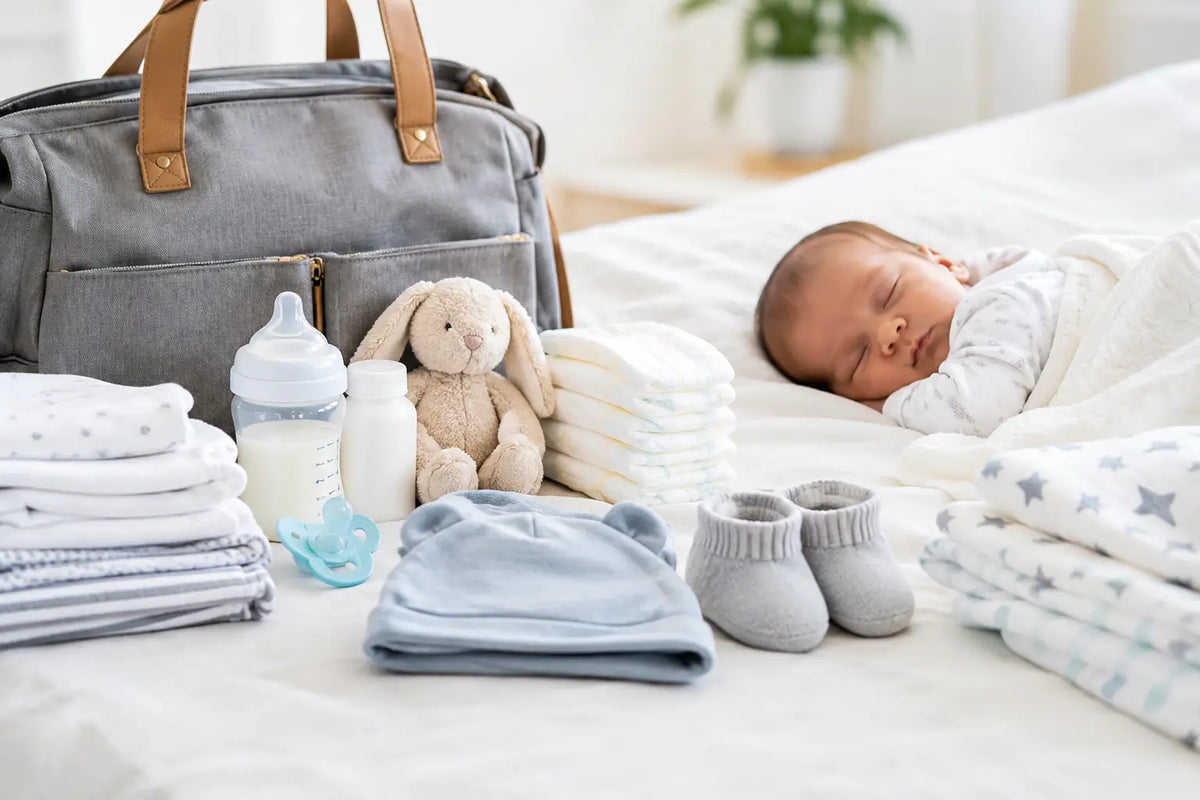
A well-prepared feeding bag removes much of the pressure from errands, appointments and family days out. Pack clean bottles or storage bags, a cool bag, enough frozen ice packs, wipes for surfaces and a marker for labelling. If you use a wearable or electric pump, bring the parts you need to store it hygienically between sessions.
When travelling by car, keep milk in the insulated cool bag rather than in a warm boot or on a sunny seat. On longer outings, plan where you can refresh ice packs or transfer milk to a fridge. If frozen milk has begun to thaw but still contains ice crystals, it can be returned to the freezer. If it is fully thawed, follow the thawed-milk timings instead.
For nursery handovers, send milk in clearly labelled bottles inside a cool bag and explain your baby’s usual feeding pattern. A short written note can prevent confusion during the busy start of the day.
Choose storage essentials that suit your routine
The best set-up is the one you can use consistently at 3 am. Some parents prefer reusable bottles that attach directly to their pump; others value pre-sterilised storage bags for compact freezing. A dedicated bottle brush, steriliser, bottle warmer and insulated cool bag can make the routine more comfortable, particularly when feeds are shared.
At Baby Life, bottle feeding essentials can be chosen around the way your family actually feeds, from home expressing sessions to travel-ready cooling and bottle-feeding routines. Prioritise quality, clear measurements and lids or seals you can trust.
If milk smells slightly soapy after refrigeration or thawing, it may still be safe. Some breast milk has higher lipase activity, which can alter the smell or taste. If your baby refuses it repeatedly, speak with a healthcare professional or lactation consultant before changing your routine.
A labelled bottle in the right place is a small act of care that can make the next feed calmer. Give yourself a simple system, keep the key timings nearby and let your routine support you through the busy, beautiful unpredictability of feeding your baby.