Pack Hospital Bag Efficiently Before Baby Arrives

That first contraction is not the moment to search for a phone charger, fresh baby clothes or your maternity notes. When you pack hospital bag efficiently a few weeks before your due date, you give yourself one less decision to make when labour begins. The goal is not to bring your entire home. It is to have the practical comforts and essentials that support you, your birth partner and your new baby from admission through the first day or two after birth.
Most parents find that packing at around 34 to 36 weeks feels sensible, although your midwife or doctor may recommend preparing earlier if there is a chance of an early birth. Keep the bag in an easy-to-reach place, alongside your car seat if you are travelling to hospital by car. A quick check of your chosen hospital’s guidance is worthwhile too, as policies on nappies, formula, visitor facilities and length of stay can differ.
How to pack hospital bag efficiently without overpacking
A well-packed hospital bag is organised by when you will need each item, rather than by where it belongs at home. Separate your things into three small sections: labour and birth, postnatal recovery, and baby’s first days. This makes it easier for you or your birth partner to find what is needed quickly, especially when you are tired or focused on labour.
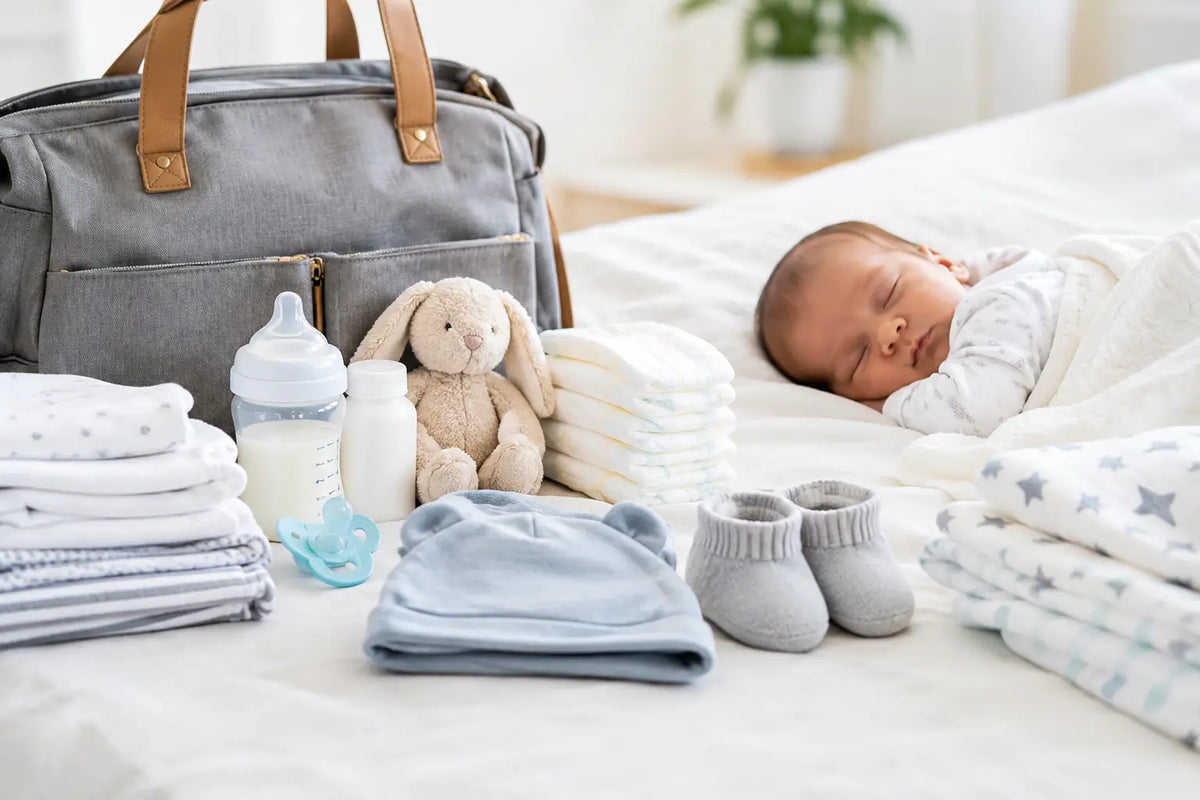
A roomy holdall or small suitcase works well for most families. Soft-sided bags are easier to fit beside a hospital bed, while a suitcase can be useful if you expect a longer stay. Whichever you choose, use zip pouches or labelled packing bags inside it. Clear bags are particularly helpful for baby outfits, because they let your partner see exactly what is available without emptying the whole bag.
Do not rely on one bag alone. Keep a small, grab-and-go pouch with your maternity notes, identification, phone, charger, bank card, keys and any medication you take regularly. These are the items you may need first, and they should not disappear beneath a pile of sleepsuits.
Pack for labour with comfort in mind
Labour can be unpredictable, so focus on items that make you feel comfortable, hydrated and supported. A loose nightdress or oversized T-shirt is often more practical than pyjamas, particularly if you plan to use monitoring equipment or want easy access for skin-to-skin contact. A lightweight dressing gown, warm socks and slippers can make an unfamiliar room feel more comfortable.
Include a water bottle with a straw if that suits you, as well as simple snacks for you and your birth partner. Dates, crackers, cereal bars and dried fruit are easy to pack, but choose foods you already enjoy. Lip balm, a hair tie, a small flannel and a cooling facial mist can also be surprisingly welcome during a long labour.
Your phone and a long charging cable deserve a dedicated place. Hospital plug sockets are not always close to the bed. If music, affirmations or a birth playlist helps you feel settled, download it before you leave home rather than depending on hospital Wi-Fi.
If you have a birth plan, bring a printed copy in your notes pouch. It is useful as a prompt for your preferences, but leave room for flexibility. Birth rarely follows a perfect timetable, and your maternity team will help you make informed decisions if plans need to change.
Choose recovery essentials that feel kind and practical
After birth, comfort and easy access matter more than packing fashionable outfits. Choose two or three loose, front-opening nightdresses or pyjama sets if you plan to breastfeed. Front openings are also useful for skin-to-skin time, while soft fabrics avoid pressure on a tender tummy after a vaginal birth or caesarean birth.
Pack high-waisted, comfortable underwear that you will not mind staining, plus a few pairs of socks and a going-home outfit with a relaxed fit. Your body may still look and feel pregnant for a while, so maternity leggings, a loose dress or wide-leg trousers are often better choices than pre-pregnancy clothes.
For postnatal care, maternity pads are essential. Some hospitals provide them, but bringing your preferred brand gives you more control over comfort and absorbency. Disposable or reusable breast pads, nipple cream and a supportive nursing bra can be helpful if you are breastfeeding. If you are planning to formula feed, check what your hospital supplies and whether it has specific guidance on bringing ready-to-feed formula or sterilised bottles.
Toiletries should be simple and familiar: toothbrush, toothpaste, deodorant, shampoo, moisturiser and a gentle wash. Add a towel only if your hospital does not provide one or if using your own feels more comfortable. Strongly scented products can be overwhelming after birth, so light or fragrance-free options are often a sensible choice.
Keep baby’s first items clean and easy to find
Newborns need less than many parents expect in hospital, but they do need several changes of clothing. Pack three or four cotton sleepsuits and bodysuits in newborn and 0-3 month sizes. Babies vary greatly in size at birth, so having both options avoids unnecessary stress if one size does not fit.
A lightweight cardigan, hat and a cellular blanket are useful for the journey home and for cooler air-conditioned spaces. In the UAE, the heat outside can be intense while hospitals, cars and shopping centres may feel chilly, so breathable layers work better than one heavy outfit. Avoid bulky coats or snowsuits in the car seat, as harnesses need to sit close to your baby’s body.
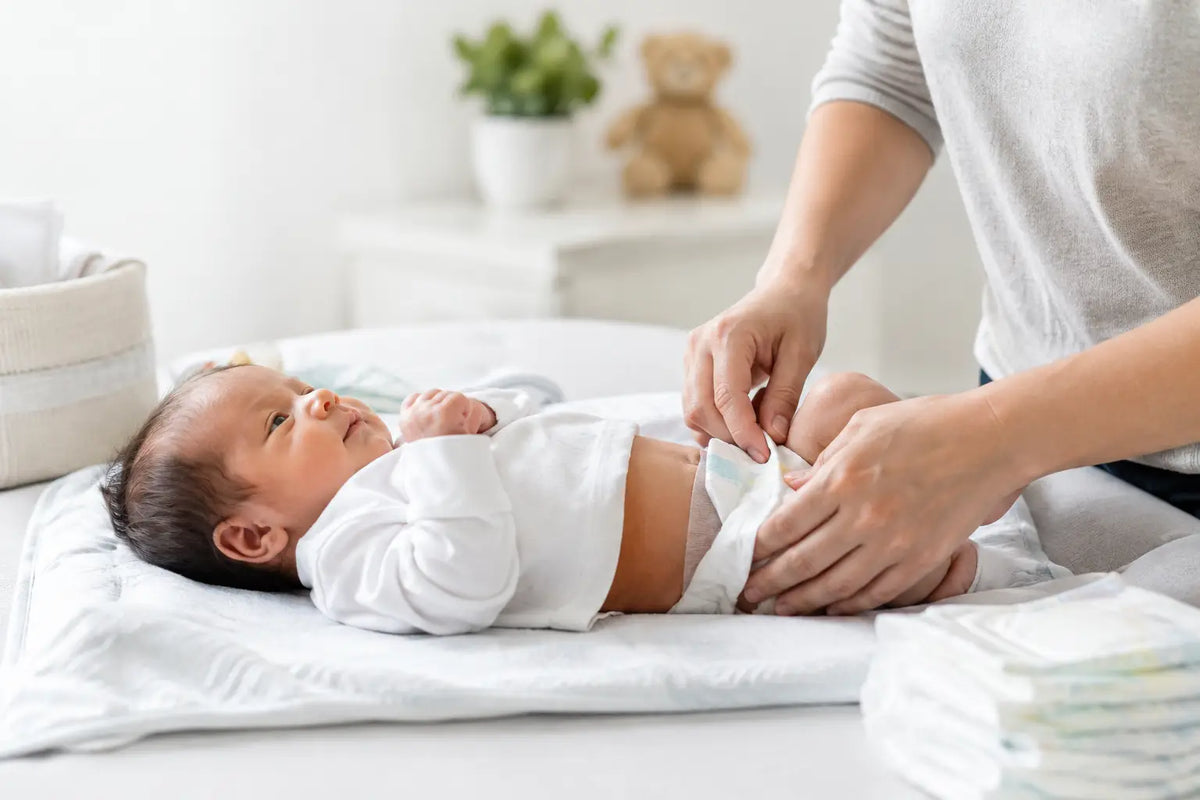
You will also need nappies, fragrance-free wipes or cotton wool, and a barrier cream if your hospital asks you to bring them. Pack these in a separate pouch near the top of the bag. A muslin cloth is another small essential with many uses: burping, feeding, wiping small spills or adding a light layer of comfort.
For the trip home, an appropriately fitted infant car seat is non-negotiable. Have it installed or practise fitting it before your due date. The hospital bag can be ready, but you cannot safely leave without a suitable way to travel with your baby.
What your birth partner should bring
Your birth partner also needs a small bag, especially if labour runs overnight. A change of clothes, snacks, water, toiletries and a portable charger will help them stay comfortable and present. They may also be the person fetching items, communicating with family or taking photos, so it helps if they know exactly how the bag is arranged.
Agree in advance about updates for friends and relatives. Some families prefer one person to send messages after the birth; others want quiet time before sharing news. There is no right approach, but deciding beforehand protects your space when emotions are high.
Leave a few things at home
There is a difference between being prepared and carrying more than you can manage. Full-sized toiletries, large packs of nappies, too many baby outfits and valuable jewellery are usually best left at home. Hospitals can be short on storage, and you may be carrying bags while recovering from birth.
It also helps to avoid packing lots of feeding equipment without first checking hospital advice. If breastfeeding is challenging, the maternity team can assess you and your baby before you introduce extras. If you have already been advised to bring specific equipment, follow that personalised guidance.
Do one final check before you leave
When labour starts, replenish snacks and water, put your phone on charge and add any last-minute items such as glasses, contact lenses or daily medication. Check that your notes pouch is in the bag and that your birth partner knows the route, parking arrangements and who to contact.
Your hospital bag does not need to be perfect. It simply needs to make the first hours with your baby feel a little more comfortable, more organised and more focused on the moment you have been waiting for.