Nursery Furniture That Works From Day One
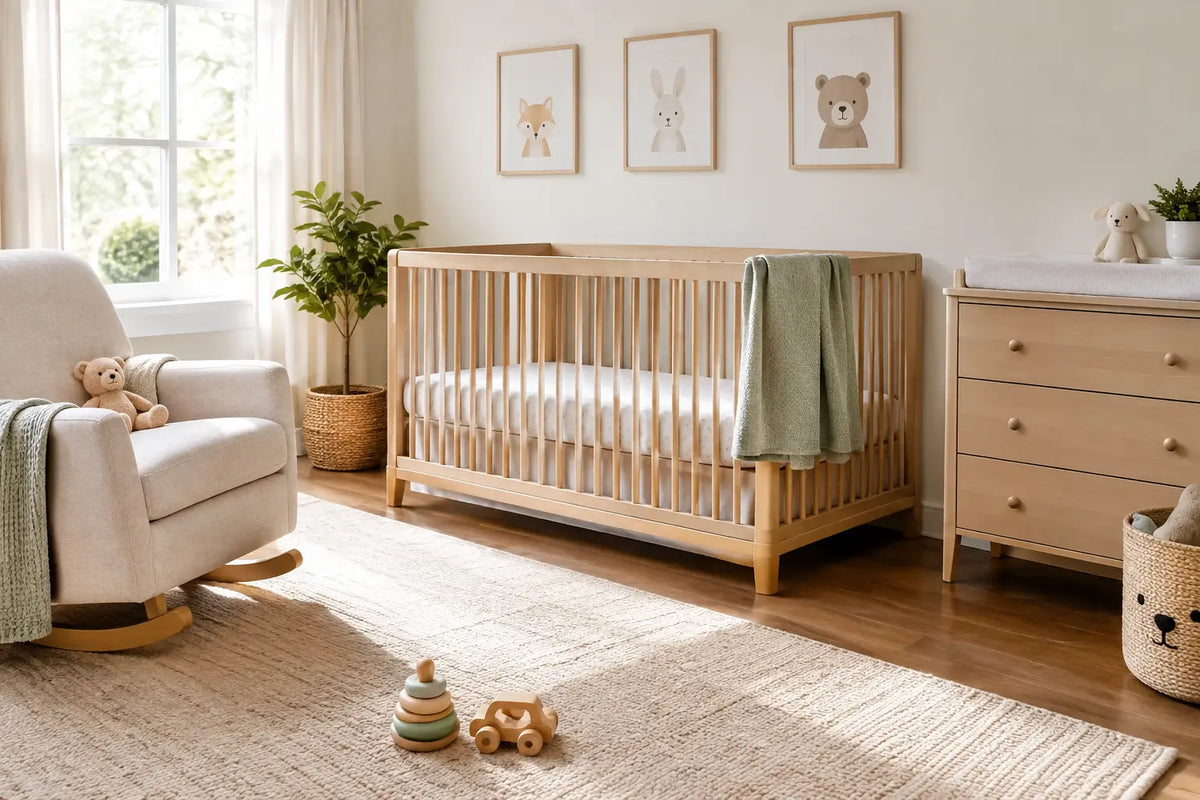
A nursery rarely needs more furniture. It needs the right pieces in the right places: a safe cot for sleep, storage that keeps nappies within reach, and a changing area that makes the 3am routine feel a little easier. Thoughtfully chosen nursery furniture supports the everyday moments that quickly become part of family life.
For parents-to-be, it can be tempting to buy every matching item in a collection. Start instead with how your household will use the room. Think about where you will feed, change, settle and store the essentials. A practical nursery can still look beautiful, but it should first make caring for your baby feel calmer and more organised.
Start with your space and daily routine
Before choosing finishes, colours or styles, measure the room. Include the swing of the door, cupboard access, windows and the space needed to walk comfortably around the cot. In a smaller bedroom or flat, a compact cot and a tall chest of drawers may work far better than several large matching pieces.
Consider who will use the nursery and when. If one parent will often handle night feeds, place sleepwear, muslins and spare nappies where they can be reached without switching on bright lights or searching through a drawer. If baby will sleep in your room at first, you may have more time before committing to larger furniture, but useful storage can still make the newborn stage easier from the start.
For UAE homes, climate and room conditions also deserve attention. Keep a cot away from direct sunlight, air-conditioning vents and curtains or blind cords. A comfortable room temperature and clear airflow matter more than filling every corner with furniture.
Nursery furniture essentials for everyday care
The best place to begin is with the items you will use every day. These pieces form the practical foundation of the room and can be chosen one at a time, rather than as an all-or-nothing set.
Choose a cot with safe sleep in mind
A cot is usually the centrepiece of nursery furniture, but its job is straightforward: it must provide a firm, clear and secure place for your baby to sleep. Choose a cot that meets relevant safety standards, has a correctly fitting mattress and allows no gaps around the edges where a baby could become trapped.
A newborn does not need pillows, loose bedding, cot bumpers or soft toys in the sleep space. A fitted sheet and suitable baby sleepwear or sleeping bag are usually all that is needed. Check the cot regularly as your baby grows, especially once they begin sitting, pulling up and climbing. Mattress height should be adjusted according to the manufacturer’s instructions.
Convertible cots can offer value because they may adapt as your child becomes a toddler. The trade-off is that they are often larger and may not suit a compact room. A standard cot can be a simpler, more affordable choice if you prefer to update furniture later.
Make the changing area work hard
A dedicated changing table can be helpful, particularly when it includes shelves or drawers for nappies, wipes, creams and clean clothes. However, it is not essential for every home. A sturdy chest of drawers fitted with a secure changing mat can give you storage that remains useful long after the nappy stage.
Whatever option you choose, keep the changing surface clear and secure. Store daily supplies close enough to reach with one hand, but never leave your baby unattended on a raised surface, even for a moment. Refill the changing station before supplies run low rather than discovering an empty wipes packet halfway through a change.
A small basket beside the changing area is useful for nappy cream, nail scissors, muslins and a spare change of clothes. It keeps the essentials together without turning every drawer into a jumble.
Build storage around real baby items
Baby clothes are small, but they multiply quickly. Add blankets, bedding, nappies, towels, toys and seasonal items, and storage becomes one of the most valuable parts of a nursery.
Drawers are ideal for folded bodysuits, sleepwear and changing supplies. Open shelves can hold baskets for everyday essentials, while a wardrobe suits hanging outfits, coats and larger items. Avoid overfilling shelves above a cot or changing station, and secure tall furniture to the wall where appropriate to reduce tipping risks.
Organise storage by task rather than simply by item type. For example, keep bedtime items together, place bath products near the clothes you use after bathtime, and reserve one drawer for quick changes. This saves time when your hands are full and your baby is ready for attention now.
Consider a comfortable feeding chair
A supportive chair is often the piece parents appreciate most after baby arrives. Whether you are breastfeeding, bottle feeding or settling a restless little one, a comfortable place to sit can make long feeds more manageable.
Look for supportive arms, a stable base and a seat that feels comfortable for more than a few minutes. A rocking or gliding chair can be soothing for some babies, but it is a personal preference rather than a necessity. If space is limited, a comfortable existing chair with a small side table may serve your family just as well.
Choose pieces that can adapt as your child grows
Good nursery planning looks beyond the first few months. A chest of drawers can later store toddler clothes, books or school supplies. A wardrobe can move into another bedroom. Neutral wood tones and simple designs tend to adapt easily as your child’s preferences change.
This does not mean every item has to be designed for years of use. Some baby-specific products solve a real problem during a short but demanding stage, and that can make them worthwhile. The key is balancing immediate convenience with your available space, budget and plans for future children.
If you are buying several pieces, check that their dimensions work together. A large cot, wide wardrobe and reclining chair may all fit on paper, yet leave little room to move around safely. Create a simple floor plan before ordering, leaving enough space for doors, drawers and comfortable access to your baby.
Put safety before matching finishes
Matching nursery furniture can create a polished look, but safety and usability should always lead the decision. Inspect furniture on arrival for loose fittings, sharp edges, chipped paint or damaged parts. Follow assembly instructions carefully and keep spare fixings out of children’s reach.
Place heavier items low down in drawers and cupboards, and secure tall units to the wall. Keep cords, chargers, lamps and monitors arranged so they cannot be pulled into the cot. As your child becomes mobile, reassess the room from their level: a drawer handle, climbing opportunity or reachable shelf can quickly become a new hazard.
Choose finishes that are easy to wipe clean. Babies bring spills, milk splashes and the occasional nappy emergency, so furniture that can be maintained with a simple clean is often the most family-friendly option. A pale finish may brighten a small room, while a darker finish can be more forgiving of everyday marks. Neither is better - it depends on the look you love and the time you want to spend cleaning.
Create a nursery that feels calm, not crowded
A nursery does not need to be finished perfectly before your baby arrives. Your routines will reveal what you genuinely need. You may find that an extra basket beside the feeding chair is more useful than another decorative shelf, or that a drawer organiser makes a bigger difference than a larger wardrobe.
Start with safe sleep, practical changing and accessible storage, then add pieces as your family settles into its rhythm. At Baby Life, parents can find nursery essentials alongside the everyday items that support feeding, bathing, travelling and play, making it easier to prepare one step at a time.
Choose nursery furniture that gives you room to care for your baby comfortably, keeps essentials close by and can flex with family life. The most welcoming nursery is not the one with the most pieces. It is the one that helps you feel ready for the next cuddle, feed, change and bedtime.