Newborn Umbilical Care Guide for New Parents

That tiny umbilical cord stump can look surprisingly unfamiliar, especially during the first nappy changes at home. The reassuring news is that newborn umbilical care is usually simple: keep the area clean, dry and free from friction while your baby’s body finishes the healing process. This newborn umbilical care guide explains what is normal, what to avoid and when it is sensible to call a healthcare professional.
What happens to the umbilical cord stump?
After birth, the cord is clamped and cut, leaving a small stump attached to your baby’s tummy. It gradually dries out, changing from a pale yellow-green colour to brown or almost black before it falls away on its own. For many babies, this happens within one to two weeks, although it can take a little longer.
A small amount of dried blood, a little clear moisture or a faint smell as the stump dries can be normal. It may look less neat than you expected, but appearance alone is not always a sign that something is wrong. The key is to watch how the surrounding skin looks and how your baby seems overall.
Do not pull, twist or try to speed up the process, even when the stump is hanging by a thin thread. Let it detach naturally. Pulling it off early can cause bleeding and make the area more vulnerable to infection.
The newborn umbilical care routine
For most families, dry cord care is all that is needed. Wash your hands before and after nappy changes, then leave the stump exposed to clean air as much as practical. It does not need creams, powders, perfumes or regular antiseptic treatment unless your midwife, paediatrician or other healthcare professional has specifically advised this.
Keep the stump clean and dry
If urine or poo gets on the cord stump, clean it gently using plain water and a clean, soft cloth or cotton pad. Pat the area dry rather than rubbing it. There is no need to scrub around the base of the stump.
Some maternity teams give individual instructions based on your baby’s birth, medical needs or the condition of the cord. If you have been told to use a particular cleansing product, follow that advice rather than changing the routine yourself.
Fold the nappy down
Choose newborn nappies with a lower front, or fold the top edge down below the stump. This simple step prevents the nappy from rubbing the area and allows air to circulate. Change wet or soiled nappies promptly, as dampness against the skin can cause irritation.
Loose, soft cotton clothing is helpful in warm UAE weather, particularly if your baby becomes hot or sweaty. Avoid tight waistbands that press against the stump. If you are using a bodysuit, check that it is not catching on the cord clamp or pulling at the skin.
Bath time: keep it gentle
Until the stump falls off, many parents find top-and-tail washing or sponge baths the easiest option. Use a soft flannel with warm water to clean your baby’s face, neck, hands and nappy area, carefully keeping the cord as dry as possible.
A brief bath is generally fine if your healthcare professional has not advised otherwise, but do not soak the stump for long. Gently pat it dry afterwards. Once the stump has detached and the skin has healed, you can move to your usual baby bath routine.
What not to put on the cord
It can be tempting to apply something when the stump looks dry, dark or slightly sticky. In most cases, less is more. Avoid alcohol wipes, lotions, oils, talcum powder, herbal preparations and antibiotic creams unless they were prescribed or specifically recommended for your baby.
These products can irritate delicate skin, hold moisture against the area or delay natural drying. Avoid covering the stump with a plaster, bandage or belly binder too. Fresh air and a clean, dry nappy area are usually the most practical approach.
You also do not need to use cotton buds around the base of the cord. They can leave fibres behind or encourage over-cleaning. A clean cloth and a gentle touch are enough if the area needs attention.
What is normal while the cord heals?
The normal healing process is not always picture-perfect. The stump can become darker and drier each day. You might notice a tiny spot of blood on the nappy or vest when it separates, or a small amount of clear or slightly yellowish fluid for a short time afterwards.
Once it falls off, there may be a shallow, moist-looking spot in the belly button. Keep it clean and dry, and it should settle. If the area becomes increasingly wet, red or painful-looking, seek advice rather than trying to treat it at home.
A small, soft bulge near the belly button can sometimes be an umbilical hernia. These are common in babies and often resolve as a child grows, but mention any bulge to your baby’s doctor or health visitor so they can assess it properly. Urgent help is needed if a bulge becomes hard, tender, discoloured or cannot be gently reduced.
When to contact a healthcare professional
Cord infections are uncommon, but they need prompt assessment. Trust your instincts if your baby seems unwell, and contact your paediatrician, maternity unit or local healthcare service if you notice redness spreading out from the belly button, swelling, warmth or tenderness of the surrounding skin.
Other signs that need medical advice include foul-smelling discharge, thick yellow or green pus, continuing bleeding that does not stop with gentle pressure, or a stump that remains attached beyond the timeframe your clinician has discussed with you.
Seek urgent medical care if your newborn has a fever, is unusually sleepy or difficult to wake, feeds poorly, seems very irritable, has breathing difficulties or simply does not seem like themselves. Young babies can become unwell quickly, so it is always better to ask early.
Make nappy changes easier in the first weeks
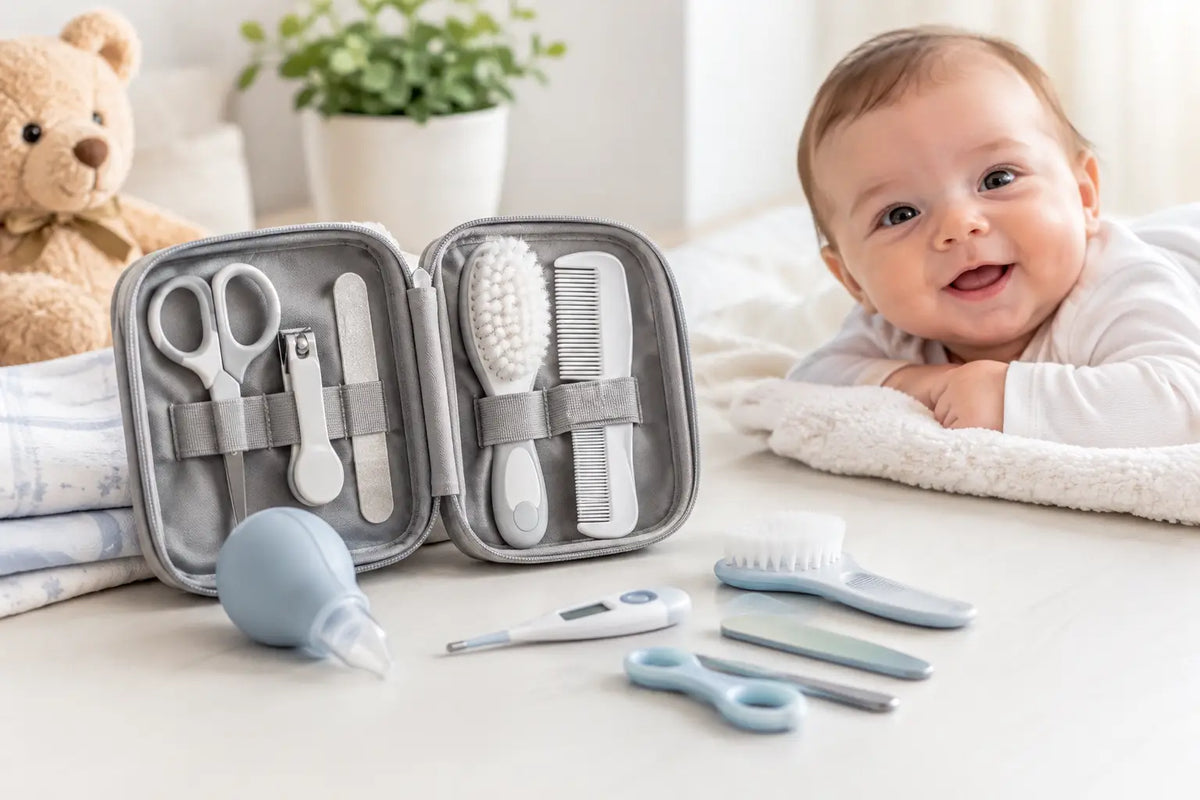
A small, well-organised changing area makes cord care feel much less daunting when you are tired. Keep clean nappies, soft cloths, cotton pads, warm water and a spare vest within reach before you begin. You do not need a complicated kit, but having the basics ready means you can deal with a messy nappy calmly without leaving your baby unattended.
Comfort also matters. A supportive changing mat and soft newborn clothing with easy poppers can reduce the pulling and twisting that makes early changes harder. At Baby Life, practical newborn essentials are chosen to help parents create a calm, prepared space for everyday care, from nappy changes to bath time.
If you are sharing care with a partner, grandparent or caregiver, agree on the same simple routine: wash hands, fold the nappy down, clean only when needed and let the stump dry naturally. Consistency prevents well-meaning over-cleaning and helps everyone feel more confident.
The cord stump is a short-lived part of your newborn’s first days, even if it feels like a major focus right now. Keep the routine gentle, take a quick look at the surrounding skin during changes, and give yourself permission to call for reassurance whenever something does not feel right.