Baby Bath Temperature for Safe, Happy Baths
The right baby bath temperature can turn a potentially fussy part of the day into a calm, comforting routine. Babies cannot regulate their body temperature as effectively as adults, and their delicate skin can be scalded far more quickly than many parents realise. A warm bath should feel soothing, never hot, and a few simple checks can give you confidence from the first splash to the final cuddle.
What temperature should a baby bath be?
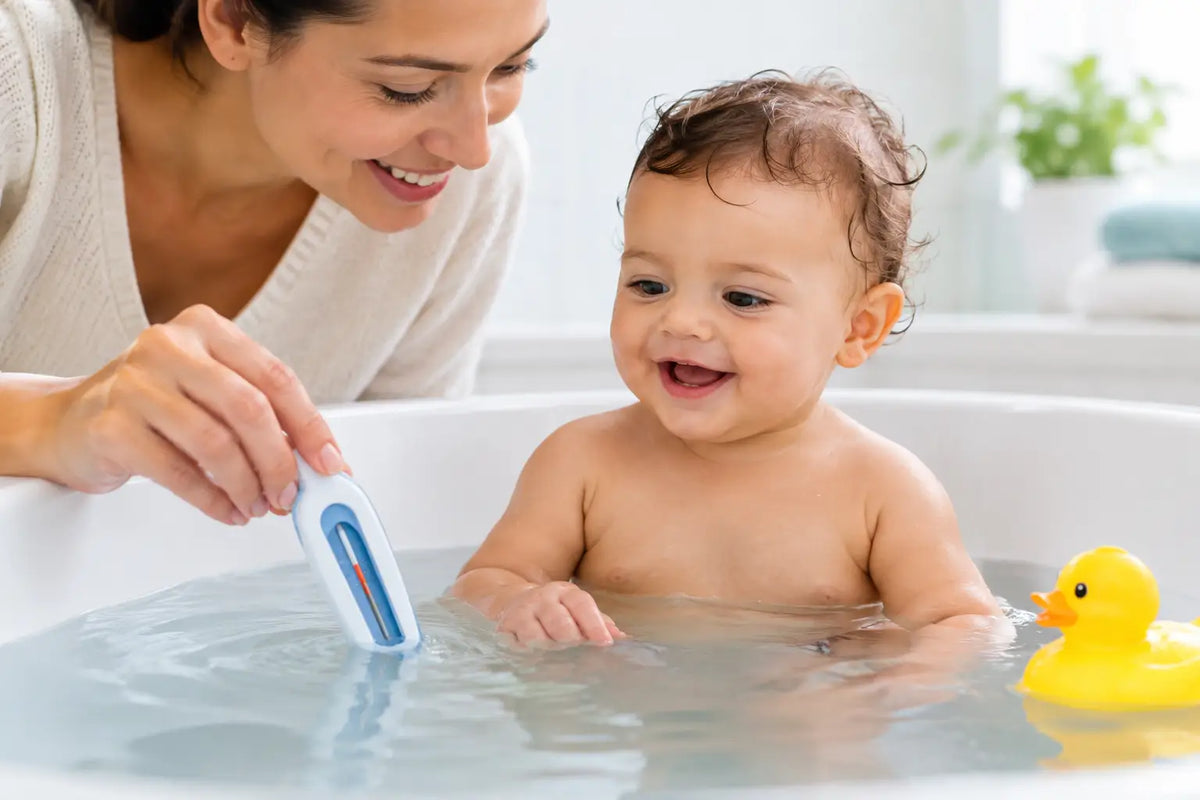
Aim for bath water at around 37°C, which is close to normal body temperature. A range of roughly 36°C to 38°C is generally comfortable for most babies. Water that feels pleasantly warm to an adult may still be too hot for a baby, so guessing with your hand alone is not the safest approach.
A dedicated baby bath thermometer is the easiest way to get a reliable reading. Many are designed to float in the water and provide a clear display, making them particularly useful when you are bathing a newborn or settling into a new routine. Some bath toys also include a temperature indicator, but use a purpose-made thermometer where possible for a more dependable check.
If you do not have a thermometer to hand, test the water with your elbow or the inside of your wrist. These areas are more sensitive than your palms. The water should feel warm, not hot, and there should be no steam rising from the bath.
Why the right baby bath temperature matters
A baby’s skin is thinner and more sensitive than adult skin. Hot water can cause a burn in seconds, while water that is too cool can leave your little one uncomfortable, shivering and unsettled. The goal is not a long, hot soak. It is a short, gentle wash in water that keeps your baby relaxed.
The room temperature matters too. After a bath, wet skin loses heat quickly. Keep the bathroom comfortably warm, close windows or avoid direct air conditioning, and have a soft hooded towel, fresh nappy and clean clothes ready before you begin. This is especially helpful for newborns, who can become chilled quickly between the bath and getting dressed.
For families in the UAE, tap water can become very warm during hotter months, particularly in homes with water tanks or pipes exposed to heat. Run the bath slowly and check the temperature carefully each time, even if you usually know the setting. Seasonal changes can affect how warm the water feels at the tap.
A safe way to fill the bath
How you fill the bath is just as useful as checking the final temperature. Start with cold water, then add hot water gradually until the bath reaches around 37°C. Swirl the water well with your hand before testing it, as hotter water can sit in one area if it has not been mixed properly.
Keep the water shallow. For a newborn or young baby, around 5 cm to 8 cm is usually enough when using a baby bath. As your child grows and sits confidently, you may use a little more water, but there is no need to fill a bath deeply. Shallow water is easier to manage and helps you keep your baby secure.
Before placing your baby in the water, check it once more with the thermometer. If the water is too hot, add cold water and mix thoroughly before testing again. Do not place your baby in the bath and then try to adjust the temperature around them.
A simple pre-bath routine
A smooth set-up means you can keep one hand on your baby at all times. Before starting, place everything you need within reach:
- a clean nappy, clothes and towel
- mild baby cleanser and a soft washcloth, if you use them
- a bath thermometer
- a baby bath, bath support or non-slip surface suited to your baby’s age
- moisturiser or baby oil for after the bath, if needed
How long should a baby stay in the bath?
For newborns and young babies, five to ten minutes is usually plenty. Babies do not need a daily bath, either. Two or three baths a week may be enough in the early months, with gentle cleaning of the face, neck folds, hands and nappy area in between. More frequent bathing can dry out sensitive skin, especially if cleansers are used each time.
Older babies may enjoy a slightly longer splash, but watch how they respond. If your baby begins shivering, their lips look bluish, their skin becomes blotchy, or they seem upset, lift them out, wrap them in a towel and warm them up. Equally, if they are red-faced or the water has become noticeably warm, end the bath.
Use only a small amount of gentle, baby-appropriate cleanser when necessary. Plain water is often enough for most of the body, particularly for a very young baby. Avoid strongly fragranced products, bubble baths and adult soaps, which can irritate delicate skin.
Keeping your baby secure in the water
Safe baby bath temperature is only one part of safe bath time. Never leave a baby unattended in the bath, even for a moment. A baby can slip or get into difficulty in very shallow water, and bath seats or supports are aids, not substitutes for an adult’s hand and attention.
Support your baby’s head and neck with one hand while using the other to wash them. Lower them into the water feet first, then gently ease their body in. Speak calmly and keep movements unhurried. Some babies love the bath immediately; others need time to feel comfortable. A shorter, peaceful bath is better than trying to encourage a reluctant baby to stay longer.
As babies begin sitting and splashing, a non-slip bath mat can add reassurance. Keep taps out of reach where possible, and make a habit of turning the hot tap off first once the bath is finished. This reduces the chance of a child touching a hot tap or turning it on as they grow curious.
When bath water needs extra attention
There are a few situations where it pays to be particularly cautious. If your baby has eczema, very dry skin or a skin condition, baths may need to be shorter and less frequent, with lukewarm water and products recommended by a healthcare professional. Pat skin dry rather than rubbing, then apply an appropriate moisturiser promptly to help hold moisture in.
If your baby is unwell or has a fever, a bath is not a treatment for the fever. Use comfortably warm water rather than cold water, which can cause shivering and discomfort. If you are worried about your baby’s temperature, feeding, alertness or breathing, seek advice from a medical professional.
New parents sometimes assume that a warmer bath will help a baby sleep longer. It may help form a relaxing bedtime routine, but hotter water is never the answer. The comfort comes from the familiar sequence: a gentle wash, a warm towel, a feed if appropriate, and a quiet wind-down.
Choosing bath essentials that make the routine easier
The most useful bath products are often the simplest: a reliable thermometer, a supportive baby bath or bath seat suited to your child’s stage, soft towels, gentle skincare and easy-to-reach storage. Choose items that help you stay close to your baby rather than adding unnecessary steps.
A compact baby bath can be useful in the early months, especially when you want a controlled amount of water and a comfortable bathing position. For travelling or smaller bathrooms, foldable options can make storage easier. As always, follow the manufacturer’s age, weight and use guidance, and keep your baby within arm’s reach throughout.
At Baby Life, parents can find practical bath-time essentials alongside the everyday newborn and toddler items that make routines feel more manageable. Selecting a few dependable basics before your baby arrives means one less thing to think about during those busy first weeks.
Bath time does not need to be perfect to be meaningful. Check the water, keep your baby close, and let the routine be simple enough to enjoy - a warm towel and a calm cuddle often matter just as much as the bath itself.