Best Baby Sleep Sack for Cosy, Safer Nights

A kicked-off blanket can turn a peaceful bedtime into another wake-up call. The best baby sleep sack keeps your little one comfortably covered without relying on loose bedding, making it a practical nursery essential from the newborn days through to toddlerhood. The right choice is not simply the softest or cutest design. It needs to fit properly, suit the room temperature and work with your baby's stage of development.
For parents preparing a nursery or refreshing their bedtime routine, a sleep sack can make evenings feel a little more predictable. Here is how to choose one with comfort, safety and everyday washing in mind.
Why choose a baby sleep sack?
Babies cannot regulate their temperature as effectively as adults, and they are also remarkably good at wriggling out of a blanket. A well-fitted sleep sack, sometimes called a baby sleeping bag, provides a consistent layer of warmth while leaving your baby's face and head uncovered.
It can also make bedtime cues easier to establish. Changing into the same sleep sack after a feed, cuddle and nappy change can become part of a familiar wind-down routine. That said, a sleep sack is not a guarantee of sleep, and it does not replace safe sleep practices. Always place your baby on their back in a clear cot or bedside crib with a firm, flat mattress, and follow the sleep-sack manufacturer's instructions.
How to choose the best baby sleep sack
The best choice depends on your baby's weight and height, the temperature of their sleep space and whether they are newborn, rolling, crawling or walking. Start with fit before considering prints, fabrics or extra features.
Choose the right size, not a size to grow into
Sleep sacks should be selected using the brand's size guide, which usually refers to your baby's weight, height or age range. Age is useful as a starting point, but babies grow at very different rates. Check that the neck opening cannot slip over your baby's head and that the armholes fit closely enough to keep the sack in place without restricting movement.
A sack that is too large can ride up, while one that is too small may feel tight across the chest, hips or feet. There should be room for natural hip and leg movement, particularly for younger babies who are still developing. If your baby is between sizes, use the manufacturer's guidance rather than automatically sizing up.
Understand TOG ratings
TOG is a measure of thermal warmth. A lower TOG is lighter for warm rooms, while a higher TOG adds insulation for cooler rooms. It is tempting to choose the warmest option for a cosy feel, but overheating is a concern. Your baby's chest or back is a better guide than their hands and feet, which may feel cool even when they are comfortable.
As a general rule, a lightweight 0.5 TOG sleep sack suits very warm conditions, a 1.0 TOG option works well for mildly warm rooms, and 2.5 TOG is commonly used in cooler, air-conditioned rooms. Always check the dressing guide provided with the individual product, as fabric composition and design can affect warmth.
For families in the UAE, indoor temperatures can change quickly between outdoor heat and strong air conditioning. It is helpful to keep more than one TOG rating available, rather than layering extra blankets over a sleep sack. Adjust your baby's clothing underneath instead, using a light cotton bodysuit or sleepsuit as recommended by the product guide.
Pick a fabric that works for your routine
Cotton is a popular choice because it is soft, breathable and straightforward to wash. Lightweight cotton or cotton-rich styles are useful for warmer nights, while quilted constructions can offer more warmth when needed. Some parents prefer bamboo-blend fabrics for their soft feel, but the most suitable material is the one that matches the TOG, washes well and feels comfortable against your baby's skin.
Look at practical details too. A two-way zip can make night-time nappy changes less disruptive, while a zip cover helps protect delicate skin from rubbing. Machine-washable fabrics are a real advantage when leaks, dribbles and frequent changes are part of daily life.
Newborn sleep sacks, swaddles and transition styles
A newborn sleep sack is different from a swaddle. Traditional swaddling wraps the arms in, while a standard sleep sack leaves the arms free. Some newborn designs offer a snug, womb-like shape or removable swaddle panels for the earliest weeks.
If you swaddle your baby, stop as soon as they show any signs of trying to roll. At that stage, arms-free sleep is essential. A transition sleep sack can be useful for babies moving away from a swaddle, with options that allow one arm out first and then both. Follow the product's age, weight and developmental guidance carefully.
For older babies, sleep sacks with roomy lower sections support crawling, standing and settling comfortably. Once your child is walking confidently, a toddler sleeping bag with feet may be more practical, particularly for early mornings when they want to move around before getting dressed.
Fit and safety checks before every bedtime
A beautiful sleep sack is only useful if it is used correctly. Before placing your baby in the cot, check the zip, poppers and seams for wear. Make sure your baby is wearing only the layers suggested for the room temperature, with no hat, hood or loose blanket added on top.
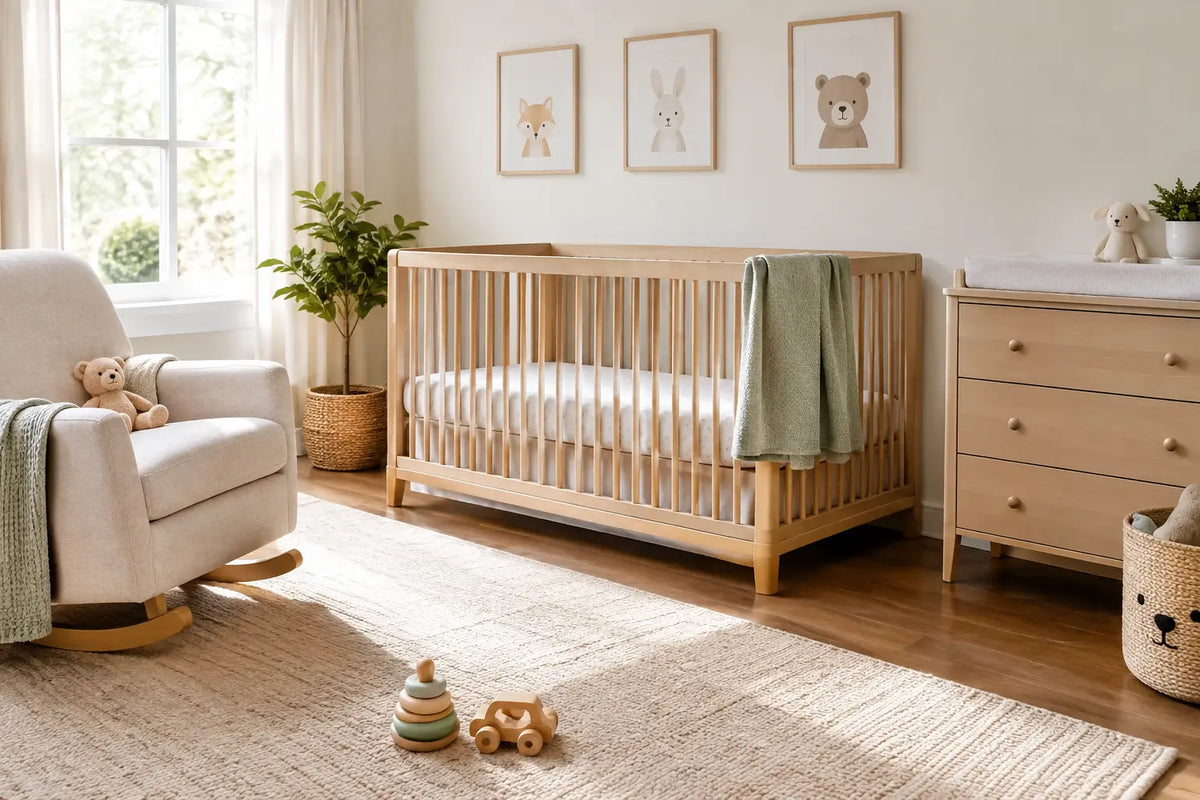
Keep the cot clear of pillows, duvets, toys, positioners and loose comforters. The sleep sack should be worn over appropriate sleepwear, not used with a car seat harness or as an outer layer for travelling. If your baby is unwell, has a fever or seems sweaty, flushed or unusually warm, remove a layer and seek medical advice where needed.
Avoid weighted sleep sacks unless a qualified healthcare professional has specifically advised their use. Weighted products are not appropriate for routine infant sleep. For premature babies, babies with breathing concerns or children with particular medical needs, ask your paediatrician or healthcare provider which sleepwear is suitable.
Helpful features worth considering
When comparing sleep sacks, focus on the details that will make life easier at 2 am. A full-length zip supports quicker nappy changes, while a zip that opens from the bottom may mean you do not need to fully undress your baby. Adjustable shoulder poppers can help some newborn styles fit securely, although they should always be fastened as intended.
Having two or three sleep sacks in rotation is often more useful than owning one premium option. One can be in the wash, one ready for bedtime and one kept for unexpected changes. Choosing a couple of suitable TOG ratings also gives you flexibility as seasons, air conditioning and room conditions change.
When should you stop using a sleep sack?
There is no fixed age at which every child needs to stop. Many toddlers continue to sleep comfortably in a sleeping bag well into their second or third year, especially if they move around a lot at night. Stop or switch styles when your child outgrows the stated height or weight range, can undo the fastenings, or needs a design with feet for safe movement.
A well-chosen sleep sack is one small way to make bedtime more comfortable and less complicated. Keep the fit right, dress for the room rather than the calendar, and let your baby's comfort guide the routine. With the right essentials close at hand, every family can build a calmer path towards bedtime.