Infant Teething Toys Guide for Safer Relief

A suddenly dribbly baby who wants to chew every muslin, toy and finger can make even a calm day feel long. This infant teething toys guide helps you choose teethers that are safe, comfortable to hold and genuinely useful when sore gums are making little ones unsettled.
Teething toys cannot make a tooth appear overnight or solve every difficult feed and sleepless stretch. What they can do is give your baby a clean, suitable surface to bite, while gentle pressure on the gums may offer welcome comfort. The right choice depends on your baby’s stage, grip and preferences, as well as how easily the toy can be kept clean.
When babies may need a teething toy
Many babies begin teething at around six months, although the first tooth can arrive earlier or later. Increased drooling, chewing, fussiness and a desire to mouth objects are common signs. Some babies show very little discomfort, while others seem to need extra reassurance for several days before a tooth breaks through.
A teether may be useful as soon as your baby is confidently bringing objects to their mouth and can hold the toy safely. Always follow the manufacturer’s recommended age range. A toy designed for an older child may be too large, heavy or complicated for a younger baby to grasp.
Teething can cause mild gum tenderness, but it should not be assumed to explain a high temperature, diarrhoea, a rash or a baby who seems very unwell. If you are worried about symptoms, feeding, hydration or persistent distress, speak with your paediatrician or healthcare professional.
Choosing infant teething toys by material
There is no single best material for every baby. A small selection of well-made teethers is often more practical than a large basket of toys, because you can rotate them and always have a clean one ready.
Food-grade silicone
Silicone teethers are popular because they are soft, durable and usually easy to wash. Flexible textures, ridges and nubs can give babies different surfaces to explore with their gums. Look for a one-piece design where possible, as it leaves fewer joins where moisture and residue can collect.
Silicone can be particularly useful for babies who enjoy chewing firmly. Check it regularly for damage, and replace it if you notice tears, splitting or a sticky surface that does not come clean.
Natural rubber
Natural rubber teethers tend to feel soft and springy, and many are shaped as animals or familiar objects that are easy for babies to hold. They may suit families looking for a flexible, lightweight option with a gentle feel on the gums.
The trade-off is care. Follow the cleaning instructions closely, as some rubber toys should not be soaked, sterilised or put in a dishwasher. If your baby has a known latex allergy, ask a healthcare professional before choosing natural rubber products.
Wooden teethers
Smooth wooden teethers can offer a firmer surface and a simple, timeless look. They are often easy for babies to grip, especially ring shapes, and can be a lovely addition to a sensory toy collection.
Choose wood that is specifically intended for baby use, smoothly finished and free from cracks or splinters. Wood needs more careful cleaning than silicone: wipe it according to the instructions and allow it to dry fully. Never leave a wooden teether soaking in water, as this may affect its finish and encourage cracking.
Water-filled cooling teethers
A cool teether can feel soothing against tender gums. These are usually chilled in the refrigerator, not the freezer. A frozen teether may become too hard for delicate gums, and extreme cold can be uncomfortable.
Inspect water-filled teethers before every use. Do not use one that is leaking, damaged or showing signs of cloudiness. Cooling teethers work best as one option in your rotation, rather than the only toy you rely on.
Shape and texture matter as much as material
The most appealing teether is not always the one with the brightest colour or the most features. For young babies, a lightweight shape with an open centre, slim handles or easy-to-grasp loops can be far more useful. If it is difficult to hold, it is likely to be dropped repeatedly just when your baby wants it most.
Textured areas can help babies explore different sensations, but avoid designs with tiny attached pieces, loose beads or decorations that could break away. A teether should be large enough that it cannot become a choking hazard, yet compact enough for a small hand to manage.
Babies often reach teethers to different areas of the mouth as they grow. A toy with several safe edges and varied chewing points may last longer through the teething stage than one with only a single narrow section. Still, simplicity is an advantage: a straightforward, well-made teether is easier to inspect and clean.
A safety checklist for every teether
Before offering any teething toy, take a moment to check the product and its condition. Trusted baby brands provide age guidance and care instructions for a reason, so keep packaging or product details handy.
- Choose teethers made for babies and appropriate for your child’s current age and development.
- Check for cracks, loose parts, worn seams, holes, peeling coatings and signs of mould before each use.
- Avoid teething necklaces, bracelets and anything intended to be worn around the neck, wrist or attached with a long cord.
- Supervise your baby during play, particularly with a new teether or a toy with several moving sections.
- Clean the teether after it falls on the floor, is shared with another child or becomes coated in food and dribble.
Keeping teething toys clean at home
Teethers spend a lot of time in little mouths, on floors, under prams and at the bottom of changing bags. Having two or three favourites makes hygiene easier: one for use, one being cleaned and one ready to pack for an outing.
For silicone teethers, warm soapy water is often enough, provided the manufacturer permits it. Rinse thoroughly and air dry. Some silicone toys are dishwasher-safe, but always check first, particularly if the teether has a clip, fabric detail or wooden element.
Clean wooden and natural rubber toys only as directed. In general, a damp cloth and mild soap are safer than soaking. Dry them promptly in a well-ventilated place. Store all teethers somewhere clean and dry, rather than sealed away while still damp.
If a toy develops a smell, staining that will not wash away, trapped moisture or visible damage, replace it. Teethers are everyday essentials, but they are not meant to last forever.
Building a practical teething routine
A teether works best as part of a comforting routine, not as a standalone answer to every unsettled moment. Offer it when your baby is awake and supervised, perhaps after a feed or during play on a clean mat. Some babies prefer a cool silicone teether; others settle better with a softer rubber shape or a dry cloth gently rubbed over the gums.
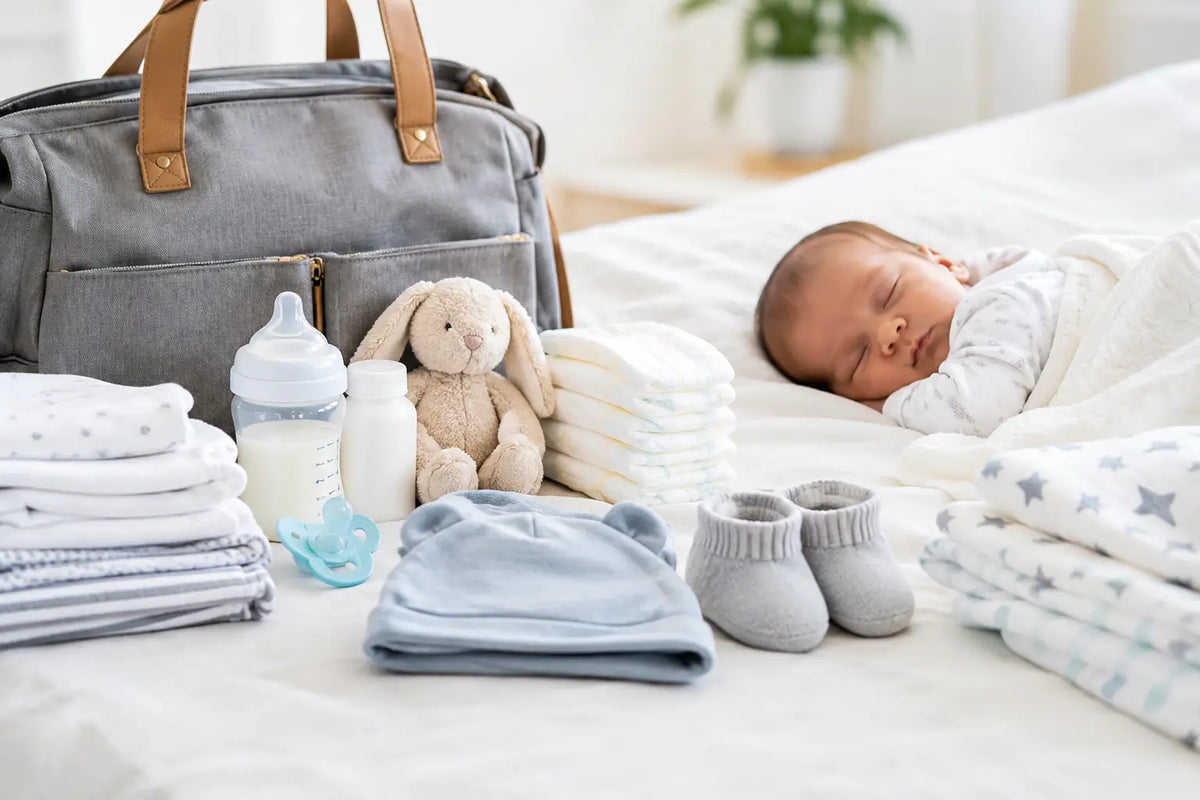
It can help to keep one teether in the changing bag, one near the high chair and one in your baby’s usual play area. For families out and about in the UAE, keep the toy in a clean case and avoid leaving it in a hot car or direct sunshine, where materials can heat up quickly.
If your child rejects one type, do not assume they dislike teethers altogether. They may prefer a different size, texture or temperature. Try again at another time, without forcing it, and let your baby lead the exploration.
The best choice is one you can use confidently
A safe teether should make daily life a little easier: simple to pick up, pleasant for your baby to chew and straightforward for you to clean. Focus on age suitability, sound construction and a shape your baby can hold independently, then choose a few options that fit your family’s routine.
At Baby Life, practical baby essentials are chosen with the real rhythm of family life in mind. Keep a clean, well-loved teether close by, offer plenty of cuddles, and remember that this intense stage does pass - one small tooth at a time.