Best Toddler Snack Containers for Busy Days

A snack container can be the difference between a calm buggy ride and crushed crackers in every corner of the changing bag. The best toddler snack containers make independent eating easier without creating more mess, more washing up or more things for parents to carry. The right choice depends on where your child eats, what they like to snack on and how confidently they can manage a lid.
For most families, one container rarely does every job. A soft, spill-resistant cup is useful for dry snacks on the move, while a divided box suits a nursery lunch or a morning at the park. Choosing a small collection that works across home, travel and everyday outings can make snack time feel far more organised.
What makes the best toddler snack containers?
The most useful snack containers balance three things: a toddler-friendly design, sensible food storage and simple cleaning. A container might look lovely on the shelf, but it needs to be easy for little hands to open or reach into without scattering food everywhere.
For younger toddlers, look for a wide opening and flexible silicone flaps that allow small hands to take a few pieces at a time. These are particularly helpful for dry finger foods such as oat rings, rice cakes broken into pieces, crackers, cereal and soft dried fruit. The flaps should be soft enough not to hurt little wrists, yet close enough to reduce spills when the cup is tipped.
For slightly older children, a snack box with a secure but manageable lid encourages independence. They can choose from a few familiar foods, practise opening the container and carry it to the table or play area. A lid that is impossible for your child to open may prevent a mess, but it can also mean they need help every time they want a snack. There is a middle ground worth finding.
Material matters too. Food-grade silicone is soft, lightweight and often easy to wash, making it a practical choice for snack cups and collapsible containers. BPA-free plastic can be durable and clear, so you can see what is inside at a glance. Stainless steel is long-lasting and a good option for some snack boxes, although it may be heavier for a small child to carry. Whichever material you choose, check that it is designed for food use and follow the manufacturer’s guidance for dishwasher, microwave and freezer use.
Choose toddler snack containers by the food inside
Rather than starting with the cutest design, begin with the snacks you serve most often. A container that keeps dry foods tidy will not necessarily be right for yoghurt, berries or cucumber sticks.
For dry snacks on the move
Spill-resistant snack cups are a favourite for car journeys, buggy walks and quick errands. Their handled sides are easy to grip, and the flexible top helps keep food contained if the cup is dropped. They work best with dry, bite-sized foods. Avoid filling them with sticky snacks, sauces or anything that could spoil quickly.
A cup is not completely spill-proof. An enthusiastic shake, a determined toddler or a loosely fitted lid can still lead to crumbs. Think of it as mess reduction rather than a guarantee of a spotless car seat.
For fresh fruit and soft foods
Small leak-resistant pots are better for cut fruit, cheese cubes, cooked vegetables or yoghurt. Choose a container with a well-fitting seal, especially if it will sit in a changing bag next to spare clothes. For juicy foods, do not overfill it. Leaving a little space at the top gives the lid room to close properly and reduces pressure when the container is opened.
Fresh foods need more care in warm weather. During longer UAE outings, pack yoghurt, cheese and cut fruit alongside a suitable cold pack, and avoid leaving them in a hot car. When in doubt, choose shelf-stable dry snacks for the journey and save chilled foods for when you are back home.
For variety at nursery or on family days out
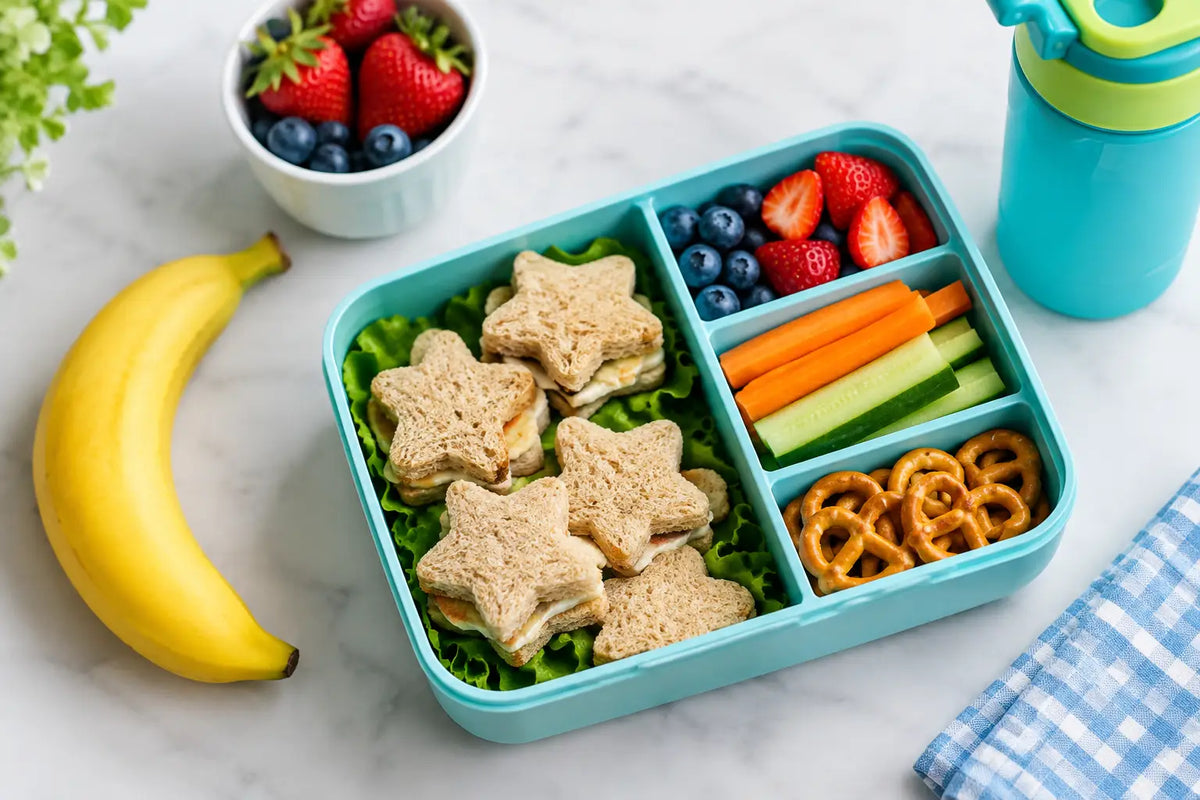
Divided snack boxes help parents offer a balanced selection without packing several separate pots. A little fruit, a savoury option and a crunchy food can sit in their own sections, which is especially useful for toddlers who prefer foods not to touch.
Look for rounded compartments that are easy to wipe clean, rather than deep corners where food can get trapped. If your child is taking the box to nursery, a compact design that fits comfortably in their bag is often more useful than a large box with many sections.
Features worth paying for
A practical container does not need every extra feature, but a few details make daily use much easier. Before choosing, consider these essentials:
- A secure lid that stays in place inside a changing bag or pushchair basket.
- Easy-grip handles, a non-slip base or a shape that little hands can hold comfortably.
- Smooth surfaces and removable parts that are simple to wash thoroughly.
- A size that suits your child’s appetite without encouraging large portions.
- Clear care instructions, particularly if you plan to use a dishwasher or microwave.
It is also worth thinking about the lid in real life. Some lids are excellent at preventing leaks but require a strong pull or awkward tabs. Others are easy for toddlers but less secure in a packed bag. For meals at the table, easy opening may matter most. For travel, a firmer seal is usually the better choice.
A simple set-up for home, nursery and travel
Many parents find that two or three container styles cover nearly every situation. Keep a spill-resistant cup for dry snacks during travel, a couple of small sealed pots for fruit or leftovers, and a divided box for outings or nursery days. This keeps packing straightforward and means you are not washing the same item urgently before every trip out.
At home, a small open snack bowl can be useful when your toddler is sitting at the table and practising self-feeding. It is not designed for transport, but it can help children learn to take one piece at a time and return the bowl to the table. Save sealed containers for times when you genuinely need the extra security.
For longer outings, pack the container inside an easy-to-clean pouch. This creates a useful barrier if a lid comes loose and keeps crumbs away from nappies, wipes and spare clothing. Add a small cloth or wipes for sticky hands, especially after fruit or oat bars.
Safety and cleaning are part of the choice
A snack container should never replace supervision. Toddlers can struggle with unexpectedly hard foods, large round items or foods that are not cut appropriately for their age and eating skills. Prepare snacks in safe sizes, seat your child upright where possible and stay close while they eat.
Wash containers after every use, paying extra attention to lids, silicone flaps, seals and hinges. These areas can hold crumbs and moisture even when the container looks clean. If a container has a persistent smell, staining or cracks that cannot be cleaned properly, it is time to replace it.
Check snack cups regularly for tears in the flexible top and test sealed boxes before trusting them with yoghurt in a full changing bag. A quick test with water can reveal whether the lid still fits as it should. It is a small step that can prevent a much bigger clean-up later.
The best toddler snack containers are the ones that suit your family’s actual routine, not just the ones with the most features. Choose designs that your child can use comfortably, that you can wash without fuss and that make leaving the house feel a little easier. With a few dependable options ready in the cupboard, snacks can stay simple wherever the day takes you.