Best Nursing Pillow for Breastfeeding

That moment when your shoulders creep up, your back starts to ache, and your baby slips just low enough to make latching harder is usually when the search for the best nursing pillow for breastfeeding becomes very real. A good pillow cannot fix every feeding challenge, but it can make long days and night feeds far more comfortable for both of you.
For some parents, a nursing pillow becomes part of every feed from the first week. For others, it is most useful during cluster feeding, recovery after birth, or when trying to protect sore arms, wrists, and shoulders. The right choice depends less on hype and more on fit, firmness, and how you actually feed at home.
What makes the best nursing pillow for breastfeeding?
The best nursing pillow for breastfeeding supports your baby at a better height without forcing you to hunch forward. That sounds simple, but it is where many pillows either work beautifully or end up tucked in a cupboard. If the pillow is too soft, baby sinks. If it is too bulky, it can push baby away from your body. If the shape does not suit your waist or chair, feeds can feel more awkward rather than easier.
Firmness is usually the first thing to look at. A firmer pillow keeps baby more level with the breast and reduces the temptation to lift with your forearms for the entire feed. Softer options can feel cosy, but they often compress quickly under the baby's weight. This matters even more as your baby grows and gets heavier.
Shape matters too. Many nursing pillows are curved to wrap around the waist, while others have a more open design or a larger surface. A snug, wraparound style can feel secure and close, especially for newborn feeding. A larger crescent or wedge-like design may suit parents who want more flexibility for different seating positions.
Choosing a shape that suits your feeding style
There is no single perfect shape for every family. The right pillow often depends on how you prefer to hold your baby and where you feed most often.
A classic C-shaped nursing pillow is popular because it gives all-around support and can help bring baby into position for cradle hold or cross-cradle hold. If you feed mainly on a sofa or armchair, this shape often feels intuitive. It also tends to be a practical choice for first-time parents who want a straightforward option.
A more structured pillow with a flatter top can be especially useful if you want a stable surface. This can help when working on latch, particularly in the early weeks when tiny position changes make a big difference. Structured styles can also suit parents recovering from a caesarean birth, as they may reduce pressure on the tummy depending on the design.
Some parents prefer adjustable or layered pillows. These allow you to add height as needed, which can be helpful if you are tall, have a long torso, or feed in different chairs throughout the day. The trade-off is that adjustable styles can feel slightly less simple to grab and use half-asleep at 3 am.
Fit matters more than many parents expect
One of the most overlooked details is how the pillow fits your body. A nursing pillow should work with your shape, not against it. If it leaves a wide gap between your body and the support surface, your baby may roll inward or need extra positioning. If it feels tight or restrictive, you may stop using it quickly.
This is why size and wrap are worth checking before you buy. Some pillows suit smaller frames better, while others are more generous and comfortable for a wider range of body shapes. If a pillow includes an adjustable strap or fastening, that can help keep it in place during feeds. For some parents, that added security feels brilliant. For others, especially if they want to move baby on and off quickly, a fastening can feel like an extra step.
If you are buying during pregnancy, it is worth remembering that your postpartum body may feel very different in the first few weeks. A little flexibility in fit can go a long way.
Comfort for you, not just for baby
When parents think about feeding comfort, the focus often stays on baby positioning. Your own comfort deserves equal attention. The best nursing pillow for breastfeeding should reduce strain through your neck, upper back, shoulders and wrists. If you still find yourself curling around your baby, the pillow may not be giving enough height or support.
Fabric also makes a difference. Soft, breathable covers are more comfortable against skin during long feeds, especially in warmer weather. In the UAE, many families prefer fabrics that feel cool and easy to wash, because spit-up, milk drips and little accidents are part of daily life. Removable covers are not just a nice extra. They are a practical must.
A washable cover with a smooth zip and durable stitching will usually stand up better to frequent laundry. If the filling itself is easy to wipe clean, that is another plus. You may not need that feature every day, but when you do, you will be glad it is there.
Support for different feeding stages
A newborn and a six-month-old do not sit on a pillow in quite the same way. In the early days, support is all about helping you achieve a comfortable latch and protecting tired arms. Later on, a nursing pillow may still help with positioning, but the firmness and width become more important because your baby is heavier and often more wriggly.
Some pillows have a longer life because they can also be used for supervised propping or tummy time support when your baby is developmentally ready. That kind of multi-use design can be excellent value, but it should not come at the expense of feeding support. If breastfeeding is your main reason for buying, start there first.
This is one of those areas where it depends on your routine. If you want one product that works across several stages, versatility matters. If your priority is making feeds easier right now, focused feeding support matters more than added features.
Safety and practical use at home
A nursing pillow is a feeding aid, not a sleep product. That distinction matters. However supportive and soft it feels, your baby should not be left to sleep on it unattended. Safe use means staying present during feeds and moving your baby to a safe sleep space afterwards.
It is also worth paying attention to how stable the pillow feels on your lap. If it shifts easily every time you move, feeds can become frustrating. A well-designed pillow should sit securely whether you are in bed, on a chair, or on the sofa, though no pillow performs identically in every setting.
If you regularly feed outside the bedroom, think about portability too. A lightweight pillow is easier to move around the house. If you visit grandparents often or travel between rooms with your baby gear, that convenience adds up quickly.
How to tell if a nursing pillow is actually helping
A good nursing pillow should make feeding feel easier within a few uses. You should notice less arm strain, fewer hunched shoulders, and less need to keep readjusting your baby's height. Baby should feel closer to the breast rather than perched too low or tipped at an awkward angle.
That said, even the best pillow cannot replace good latch support if feeding is painful. If you are dealing with persistent pain, poor weight gain, or concerns about positioning, a pillow may help with comfort, but it is still worth seeking feeding support. Products can improve the setup. They do not solve every underlying issue.
Shopping for the best nursing pillow for breastfeeding
When comparing options, focus on a few essentials rather than a long list of claims. Look at the pillow's firmness, the width of the support area, whether the cover removes for washing, and whether the shape suits your body and favourite feeding position. Those details will affect daily use far more than decorative extras.
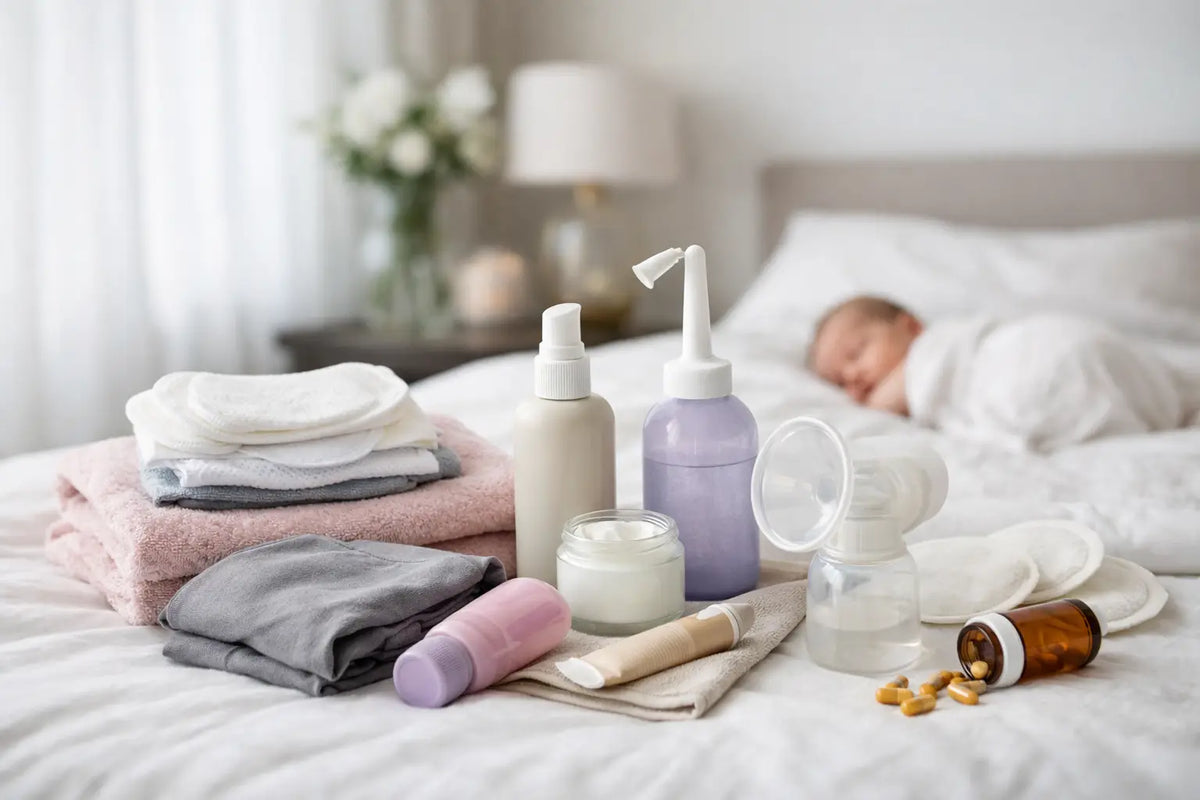
Trusted baby brands are often worth considering because their designs tend to reflect real feeding routines and practical safety standards. It also helps to buy from a retailer with a well-curated feeding range, so you can compare pillows alongside other essentials like muslins, nursing covers, breast pads, and bottle-feeding accessories if you plan to combine feeding methods.
At Baby Life, many parents shop this category as part of a bigger feeding setup rather than as a one-off purchase, and that usually makes sense. A pillow works best when it fits into your real routine, not an ideal one.
The best choice is the one that helps you sit back a little, relax your shoulders, and focus more on your baby than on propping everyone into place. Feeding can still be messy, tiring and unpredictable, but the right support makes those everyday moments feel a bit more manageable.